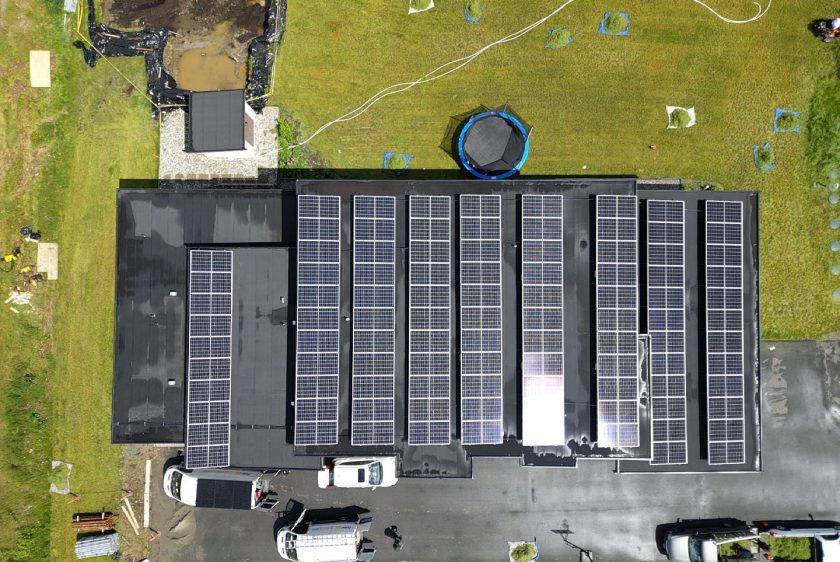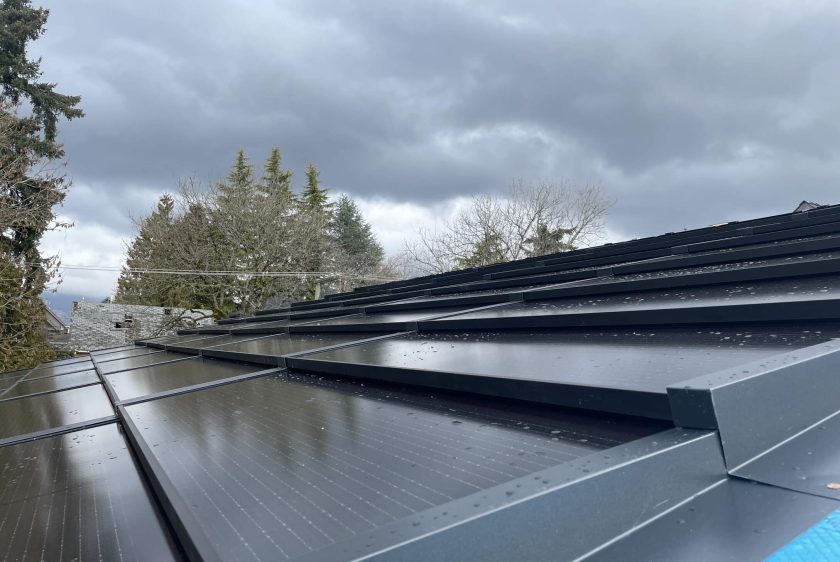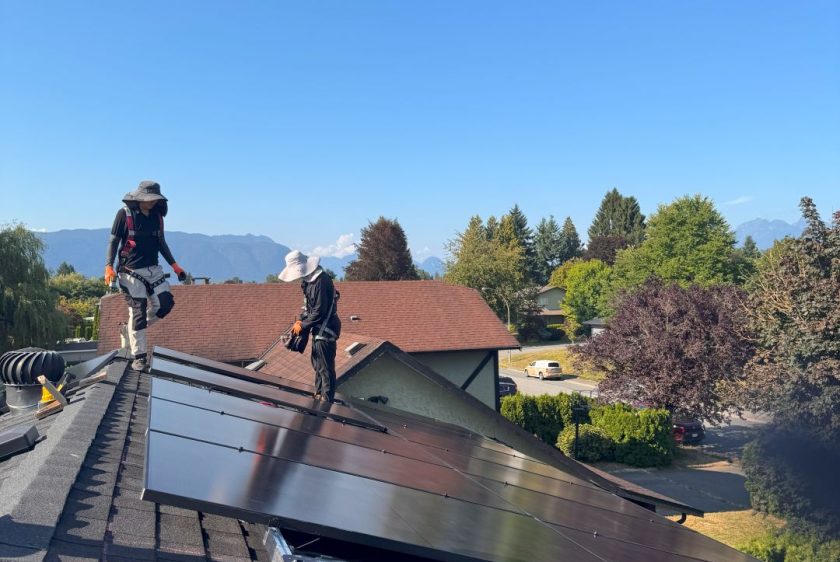
Is Solar Energy Worth It in Vancouver? What Homeowners Should Know in 2026

As energy costs continue to rise across British Columbia, more Vancouver homeowners are exploring solar energy as a long-term investment in sustainability, energy efficiency, and cost reduction.

One of the most common questions we hear is:

“Is solar actually worth it in Vancouver’s climate?”

Despite the region’s reputation for cloudy weather, solar energy systems can perform surprisingly well throughout the Lower Mainland. Advances in solar technology, combined with BC Hydro’s net metering program, have made residential solar more practical and financially beneficial than ever before.


Solar Panels Perform Efficiently in Vancouver’s Climate

A common misconception is that solar panels require constant sunshine or hot temperatures to generate electricity. In reality, solar systems produce energy from daylight rather than heat, allowing them to remain effective even during overcast conditions.

Modern high-efficiency solar panels are specifically designed to maximize energy production in a variety of climates, including regions like Vancouver. While production levels naturally vary seasonally, many homeowners are still able to offset a meaningful portion of their annual electricity usage.


Reducing Long-Term Electricity Costs

With utility rates expected to continue increasing over time, many homeowners are seeking ways to improve energy independence and reduce monthly expenses.

A professionally designed solar energy system may help homeowners:

  • Lower monthly BC Hydro costs
  • Reduce reliance on the electrical grid
  • Protect against future energy price increases
  • Improve overall home efficiency
  • Support long-term sustainability goals

Because solar panels typically have a lifespan of 25 years or more, many homeowners view solar as a long-term investment rather than a short-term expense.


Understanding BC Hydro Net Metering

One of the key advantages of installing solar panels in British Columbia is access to BC Hydro’s net metering program.

Net metering allows homeowners to export excess solar energy back to the electrical grid in exchange for energy credits. These credits can then help offset electricity usage during evenings, winter months, or periods of lower solar production.

This system helps maximize the overall value and efficiency of residential solar installations throughout the year.


Solar Energy and Property Value

As sustainable living becomes increasingly important to Canadian homeowners, energy-efficient upgrades are often viewed as valuable property improvements.

A professionally installed solar system may contribute to:

  • Reduced long-term operating costs
  • Increased buyer interest
  • Enhanced energy efficiency
  • Improved property appeal in a growing clean-energy market

For many homeowners, solar is not only an environmental decision but also a strategic investment in their property’s future value.


Is Your Home Suitable for Solar?

Every property is unique, but homes that are often well suited for solar installations typically include:

  • South-facing or west-facing roof exposure
  • Minimal shading from surrounding trees or structures
  • Adequate roof condition and available space
  • Consistent household electricity usage

A professional site assessment can help determine the ideal system size and expected energy production for your specific property.


Explore Solar Solutions with Amor Energy

At Amor Energy, we provide customized solar energy solutions for homeowners and businesses across Vancouver and the Lower Mainland.

Our team works closely with clients to design systems that align with their property, energy usage, and long-term goals — helping make the transition to clean energy simple, efficient, and reliable.

If you are considering solar for your home or commercial property, we would be happy to help you explore your options.

Accessing BC’s Home Energy Rebates: The Importance of Working with an HPSC-Certified Contractor

Your Guide to BC’s Home Energy Rebates: Working with an HPSC-Certified Contractor

If you’re a homeowner in British Columbia considering upgrades like an electric vehicle charger, solar panels, or a home battery system, you’ve likely heard about provincial rebate programs that can help offset the cost. But navigating the requirements can be confusing.

A critical question often arises: “Why do I need to use a specific contractor to qualify for these rebates?”

The answer lies in understanding the Home Performance Contractor Network (HPCN) and the standards set by the Home Performance Stakeholder Council (HPSC).

The Standard for Quality: HPSC Certification and the HPCN

Let’s break down what these mean for your project.

  • HPSC (Home Performance Stakeholder Council): This is the independent, non-profit body that administers the Home Performance Contractor Network (HPCN). HPSC sets the industry standards for quality and energy performance.

  • HPCN (Home Performance Contractor Network): This is the official network that homeowners must use for various provincial rebate programs. To become an HPCN contractor, a company must achieve HPSC certification, proving their technical expertise and commitment to quality installations.

In simple terms: HPSC certification is the qualification that allows a contractor to join the HPCN network, which is your gateway to government rebates.

This system is a vital consumer protection measure. It ensures that the contractors installing complex energy systems in your home are qualified to do the job correctly and efficiently.

The Mandatory Future of Rebates: HPSC Certification is Essential

The link between working with an HPCN contractor and rebate access is about to become absolute.

Here is the essential information:

Currently, using an HPCN contractor is a standard requirement for most rebate programs. However, starting in 2026, this requirement will be strictly enforced.

What does this mean for you?

  • If you plan to apply for a government rebate after 2026, your application will only be accepted if the work was performed by an HPSC-certified contractor within the HPCN.

  • Choosing a contractor who is not part of the HPCN after this deadline will make your project ineligible for financial assistance.

This policy reinforces the government’s commitment to ensuring public funds support high-quality, effective upgrades that deliver real energy savings.

Amor Energy: Your HPSC-Certified Contractor in Vancouver

We are proud to be an HPSC-certified contractor and part of the Home Performance Contractor Network (HPCN).

Our HPSC certification means we have met the rigorous standards required to perform rebate-eligible work. When you choose Amor Energy, you are choosing a contractor recognized for their expertise and commitment to quality in the home performance industry.

By working with us, you receive:

  1. Assured Rebate Eligibility: Your installation will meet a key requirement for provincial rebate programs. We handle the necessary documentation to support your application.

  2. Quality Assurance: Our work adheres to industry standards, ensuring your EV charger, solar panel system, or home battery is installed safely and effectively.

  3. A Streamlined Process: From consultation to rebate submission, we guide you through each step of your home energy upgrade.

What This Means for Your Home Upgrade Projects

Whether you are planning to install:

  • A Level 2 EV Charger

  • A Solar Panel Array

  • A Home Battery Storage System

…working with an HPSC-certified contractor like Amor Energy is essential for a successful project and accessing available rebates.

Ready to Upgrade with Confidence?

With the 2026 deadline approaching, now is the time to plan your upgrade with a certified professional. Choosing Amor Energy, an HPSC-certified contractor, ensures your project aligns with current and future program requirements.

Contact Amor Energy today for a free, no-obligation assessment. Discover how much you can save with government rebates and get a quote from your local Vancouver HPSC-certified contractor.

[Click Here to Contact Amor Energy]

Essential Tips for Solar System Maintenance: Ensuring Optimal Performance and Longevity

Solar energy systems are a significant investment – both in terms of financial value and environmental impact. While solar panels are designed to be low-maintenance and highly durable, regular care and inspections can help ensure your system continues to operate at peak efficiency for decades.

Whether you’re a new solar owner or have had panels for years, here are some maintenance practices to protect your investment and maximize energy output.

1.Keep Your Panels Clean

Solar panels perform the best when exposed to unobstructed sunlight. Over time, dust, pollen, leaves, bird droppings, and other debris can accumulate on panel surfaces, reducing energy production.

Cleaning Tips:

  • Inspect your panels every 6 to 12 months, or more frequently in dry or high-dust regions.
  • Use soft cloths, sponges, or a soft-bristle brush with water to clean. Avoid abrasive tools or harsh chemicals.
  • Schedule cleaning during cooler hours (early morning or late afternoon) to prevent thermal stress.
  • For elevated or hard-to-reach systems, considering hiring a professional for safety.

2.Monitor System Performance Regularly

Most solar systems come with monitoring software that tracks your energy production in real time. Monitoring allows you to track your energy production and identify performance anomalies.

Key performance indicators to track:

  • Daily and monthly kWh production trends
  • Alerts or warning signals from your inverter or monitoring app
  • Seasonal shifts – some variation is normal, but dramatic changes may require inspection

Significant deviations in expected performance may indicate issues such as inverter malfunctions, panel shading, or system faults.

3.Manage Surrounding Vegetation

Vegetation growth around your solar array can introduce shading, reducing system efficiency. This is particularly relevant for ground-mounted systems and rooftop arrays near trees or fast-growing plants.

Action Items:

  • Trim any overhanging branches or vegetation that may shade the panels throughout the day
  • Schedule seasonal evaluations to prevent future shading issues
  • Maintain clearance around inverters and battery enclosures for ventilation and safety

4.Conduct Visual Inspections of Components

In addition to panel maintenance, it’s important to inspect other critical system components, particularly the inverter, cabling, and mounting hardware.

Inspection checklist:

  • Ensure the inverter display is operational and not showing error codes
  • Check that wiring is secure, free of corrosion or pest damage
  • Confirm that racking systems and bolts are intact and structurally sound
  • Inspect for signs of water ingress, especially around rooftop penetrations

Any electrical concerns should be addressed by a licensed technician. Unauthorized handling of solar components can void warranties and pose safety risks.

5.Schedule Professional Maintenance Checks

While basic maintenance can be done by the system owner, periodic inspections by a certified solar technician are highly recommended. A professional can perform a comprehensive assessment of your system and proactively identify potential issues.

We recommend:

  • A professional inspection every 2 to 3 years
  • An annual check if your system includes battery storage or is located in a high-risk environment (e.g., coastal or high-wind regions)
  • Preventive maintenance before and after winter in colder climates like British Columbia

At Amor Energy, we offer full-service solar maintenance packages tailored to residential and commercial clients.

6.Safeguard Documentation and Warranties

Maintaining organized records of your system is essential. This includes installation diagrams, warranty certificates, monitoring platform credentials, and maintenance history. These documents are crucial for troubleshooting, warranty claims, and future system upgrades.

Conclusion

Solar systems require minimal maintenance, but consistent care and monitoring ensure long-term efficiency and reliability. By following these best practices, you can extent the life of your system, safeguard your return on investment, and contribute to a more sustainable future.

Grid-Tied VS. Off-Grid Solar Systems: Which One is Right for Your Home?

As solar energy continues to gain popularity across British Columbia and beyond, more homeowners and business owners are considering going solar. However, the first thing that comes up to mind is: Should I go grid-tied or off-grid?

Understanding the difference between these two types of solar systems is the first step toward making the right decision for your energy needs, lifestyle, and budget. In this post, we’ll break down the pros and cons of both grid-tied and off-grid solar systems to help you determine which setup is right for your property.

What is a Grid-Tied Solar System?

A grid-tied solar system is connected to local utility grid. It allows you to draw power from the grid when your solar panels aren’t producing enough electricity (e.g., at night or on cloudy days), and to send excess energy back to the grid when you produce more than you use-often earning you credits through net metering.

Key Features:

  • No batteries required (although optional)
  • Connected to the utility grid
  • Access to BC Hydro’s electricity when solar generation is low
  • Eligible for net metering programs

Pros:

  • Lower upfront cost – no need to invest in expensive battery storage
  • Access to utility power anytime – reliable power supply even on low-sun days
  • Net metering benefits – earn credits for sending excess electricity back to the grid
  • Government incentives – often eligible for rebates, such as BC Hydro’s solar rebates

Cons:

  • Dependent on the grid – during a power outage, your solar system shuts down unless you have a battery backup
  • Limited energy independence – you’re still tied to the utility

What is an Off-grid Solar System?

An off-grid solar system operates independently of the utility grid. It’s completely self-sufficient, using battery storage to store excess solar power for use at night or during cloudy days.

Key Features:

  • Requires a battery bank for energy storage
  • Fully independent from the grid
  • Ideal for remote locations where grid access is unavailable or unreliable

Pros:

  • True energy independence – not affected by grid failure or outages
  • Ideal for remote areas – perfect for cabins, farms, or rural homes with no access to the grid
  • No monthly utility bills – you’re your own energy provider

Cons:

  • Higher upfront cost – requires batteries and backup power systems
  • More maintenance – batteries and generators need regular upkeep
  • Energy management is critical – you must closely monitor and conserve energy during low-production periods

Grid-Tied VS. Off-Grid: A Quick Comparison

Feature Grid-Tied Off-Grid
Utility Backup Yes No
Battery Storage Optional Required
Initial Cost Lower Higher (Due to batteries)
Power During Outages No Yes
Net Metering Eligible Not applicable
Energy Independence Partial Full

Which System Should You Choose?

Whether you choose a grid-tied or off-grid solar system, switching to solar is a powerful way to reduce your carbon footprint, save on electricity costs, and take control of your energy future.

At Amor Energy, we specialize in designing and installing both grid-tied and off-grid solar systems tailored to your unique needs. Not sure what’s right for you? Our team will assess your energy usage, property layout, and long-term goals to recommend the most cost-effective and reliable solution.

Ready to Go Solar?

Contact us today for a FREE solar consultation or explore more resources and past projects on our website.

Unlock Up to $10,000 in BC Solar Rebates: A Golden Opportunity for BC Homeowners

As British Columbians face rising energy costs and increasing pressure to adopt cleaner, more sustainable practices, solar energy has become more than just a trend – it’s a smart, forward-thinking investment. To support this transition, BC Hydro is now offering up to $10,000 in rebates for residential solar and battery storage systems. Paired with the federal $40,000 interest-free loan, going solar has never been more affordable or financially rewarding.


Whether you’re looking to reduce your electricity bills, boost your property value, or contribute to a greener future, these new incentives are designed to make solar energy a smart, cost-effective choice for everyday households.

In this blog, we will break down what the rebate program includes and how to take advantage before funding runs out.


Provincial: BC Hydro Rebates for Residential Solar & Battery Storage

BC Hydro is offering direct financial rebates to homeowners who install new, grid-tied solar and battery systems. Here’s what you could receive:

1.Solar PV Rebate

  • $1,000 per kilowatt (kW) of installed solar capacity
  • Maximum Rebate: $5,000
  • Covers up to 50% of total installed costs (equipment and labor)

2.Battery Storage Rebate

  • $500 per kilowatt-hour (kWh) of battery capacity
  • Maximum Rebate: $5,000
  • Covers up to 50% of total installed costs

Total potential rebate: up to $10,000 per household when both solar and battery storage systems are installed.

These rebates are paid directly to you after your system is approved and installed. But funding is limited.


Federal: Canada Greener Homes Loan

Although the Canada Greener Homes Grant has closed, the Canada Greener Homes Loan is still available for eligible homeowners across Canada:

  • Up to $40,000 interest-free, repayable over 10 years
  • Can be used for solar panels, battery storage, insulation, heat pumps, and more
  • Requires an EnerGuide home energy assessment (pre- and post-upgrade)

When combined with BC Hydro rebates, this loan can dramatically reduce the financial barrier to solar adoption while spreading payments over a manageable period.


How to Apply: Step-by-Step Guide

  1. Contact a licensed solar installer familiar with BC Hydro’s net metering and rebate program
  2. Submit a self-generation application including system specs and design for pre-approval from BC Hydro
  3. Install your solar and/or battery system once pre-approved*
  4. Submit final documentation (invoice, electrical permits, interconnection agreement)
  5. Receive your rebate within 30-45 business days of final approval

*You must apply before installation to qualify for rebates. Pre-approval is required.


Why Act Now?

  • Rebate funding is limited and issued on a first-come, first-served basis
  • Electricity prices are rising – Start saving immediately
  • Shorter payback period when combining rebates and loans
  • Energy Security: Add resilience during outages with a solar + storage backup
  • Solar boosts home value and makes listings more attractive to buyers


Your Next Step: Claim Your Rebate Before It’s Gone

With up to $10,000 in cash rebates and $40,000 in zero-interest financing, there has never been a better time to invest in solar power for your home. Whether you’re aiming to cut utility bills, gain energy independence, or future-proof your property, these programs make the transition easier and more affordable than ever.

At Amor Energy, we specialize in providing solar solutions tailored to your home and your goals. From customized system designs to paperwork and rebates, our experienced team ensures a seamless and stress-free transition to clean, cost-saving energy.

The Strategic Benefits of Solar: Why More Homeowners Are Investing in Solar Panels Now

As energy costs continue to rise and climate change becomes an urgent global concern, more homeowners across British Columbia are turning to solar energy as a future-forward investment. At Amor Energy, we see solar photovoltaic (PV) systems not just as eco-friendly upgrade, but as long-term assets that delivers measurable financial, environmental, and lifestyle advantages.

In this blog, we’ll explore the key benefits of going solar – and why now is the smartest time to make the switch.


Table of Contents

  • Cut Your Energy Bills and Lock in Long-Term Savings
  • Take Advantage of Government Rebates & Incentives
  • Increase Property Value and Marketability
  • Enhance Energy Independence and Resilience
  • Reduce Your Carbon Footprint and Contribute to a Greener Future


Cut Your Energy Bills and Lock in Long-Term Savings

One of the most immediate and rewarding benefits of going solar is the significant reduction in your electricity bill. By generating your own clean power, you decrease your reliance on BC Hydro – especially valuable for homes that frequently exceed Tier 1 electricity rates.

Over a system’s typical lifespan of 25~30years, the cumulative savings can be substantial. Unlike utility rates that fluctuate and often rise over time, solar energy offers long-term price stability. Once your system is paid off, your electricity is essentially free – resulting in decades of low operating costs and financial peace of mind.


Take Advantage of Government Rebates & Incentives

Both the federal and the provincial incentive programs have made going solar more affordable than ever. Homeowners may be eligible for:

  • The Canada Greener Homes
    • Up to $5,000 grant for eligible home energy upgrades – including solar PV
  • BC Hydro
    • Up to $5,000 for solar system installation, covering up to 50% of total installed cost
    • Up to $5,000 for battery storage, covering up to 50% of total installation cost


Increase Property Value and Marketability

Installing a solar PV system is one of the few home upgrades that pays you back over time – while also increasing your home’s value. Studies across North America show that solar-equipped homes:

  • Sell faster and for higher prices
  • Appeal to eco-conscious and cost-savvy buyers
  • Are perceived as modern, energy-efficient, and future-ready

Thus, solar is a smart home improvement that provides immediate utility savings and long-term real estate benefits.


Enhance Energy Independence and Resilience

As extreme weather events become more common and grid reliability is challenged, many homeowners are looking for ways to take control of their own energy security.

Solar panels, especially when combined with a battery storage system, provide greater independence from the utility grid. In the event of a power outage, a solar-plus-storage system can keep your essential appliances running – ensuring peace of mind during emergencies.

Even without a battery, BC Hydro’s net metering program allows your solar system to work in harmony with the grid, supplying and drawing power as needed for seamless reliability.


Reduce Your Carbon Footprint and Contribute to a Greener Future

Solar energy is 100% renewable and emits no greenhouse gases. By switching to solar, the average BC homeowner can offset approximately 2.5 to 3.5 tonnes of CO₂ emissions each year — the equivalent of taking a car off the road or planting over 100 trees annually.

Your decision to install solar not only benefits your own household – it also supports Canada’s transition to clean energy and helps meet provincial climate action targets. It’s a tangible way to lead by example and make a lasting impact.

Ready to go solar?

There’s no better time than NOW to begin your solar journey — with longer daylight hours, dry weather for installation, and valuable incentives still available. At Amor Energy, we provide expert guidance, customized system design, and professional installation by licensed electricians throughout Greater Vancouver.

Invest in solar today — and start powering your home with clean and cost-saving energy. Reach out to a local solar installation provider for a free consultation or energy audit, and discover how solar panels can transform your home and lifestyle.

commercial rebate

Solar Panel ROI: Is Going Solar a Must For Your Business?

As businesses across Canada seek cost-effective and sustainable energy solutions, solar power has emerged as a game-changer. With rising electricity prices, generous government incentives, and a growing emphasis on environmental responsibility, investing in solar energy is not only a strategic move but a financially sound decision. Here’s why Canadian businesses should consider making the switch to solar energy.

Financial Benefits

1.Significant Cost Savings on Electricity Bills

One of the most compelling reasons for businesses to invest in solar power is the potential for substantial cost savings. With electricity rates increasing annually, businesses can lock in lower energy costs by generating their own power through solar system. A properly sized solar system can offset up to 100% of a business’s electricity consumption, reducing power bills to almost zero. Businesses will likely achieve full ROI within 5-10 years, then essentially free power for the rest of the solar system life span. Additionally, with BC Hydro’s Net Metering Program, businesses can sell excess solar power back to the grid, with extra power credited for future bill reduction.


2.Attractive Government Incentives and Rebates

The Canadian government offers various incentives to encourage solar adoption for businesses, aiming for significantly lower upfront investment costs. For instance, businesses within BC can take advantage of the following incentives:

Solar Panel Rebate by BC Hydro: Up to $25,000 for solar panels and $25,000 for battery storage.

Capital Cost Allowance (CCA): 100% First-Year Deduction

Clean Technology Investment Tax Credit (ITC): The Canadian government offers a 30% refundable tax credit for businesses investing in solar installation.


3.Hedging Against Energy Inflation

Generating electricity with a solar system allows businesses to hedge against rising energy costs and improve financial predictability. With BC Hydro rates increasing by approximately 3% per year – and expected to continue –businesses face growing energy expenses. However, a solar system enables businesses to maintain fixed energy costs by generating power independently.

Moreover, solar systems on average have a lifespan of 25-30 years. Once installed, they provide predictable energy costs, leading to essentially free electricity after the payback period.

Here’s an ROI calculation for a regular-sized business that adopts a 35 kW Solar Systems:
Initial Cost: $70K
Rebate: 25K & 30% Refundable Tax Credit: 21K
Actual Upfront Cost: 24K
Electricity Generation: ~35000KWH/yr
Electricity Saving (with 0.14/kwh rate): ~$5000/yr
Year of ROI: ~4.8 years

In this case, the business can fully recover its investment within 5 years, and after that, the electricity will essentially be free to use.

Non-Financial Advantages

While the financial benefits of solar energy are considerable, there are also numerous non-financial advantages that make it a must-have for Canadian businesses.

1.Positive impact on the environment

By generating clean, renewable energy, solar panels help reduce greenhouse gas emissions and combat climate change. Installing solar system aligns with B.C.’s commission of reducing greenhouse gas emission by 16% below 2007 levels by 2025, 40% by 2030, and 80% by 2050.


2.Corporate Social Responsibility (CSR)

Shifting to renewable energy has become a trend for many large corporations. It significantly demonstrates corporations’ commitment to sustainability, improving a brand’s green image and reputation among customers and stakeholders. Moreover, adopting solar energy is directly related to carbon footprint reduction, which supports corporate ESG goals.


3.Competitive Advantage & Brand Differentiation

With the rising awareness among consumers to support eco-friendly business, those that adopt solar installation can differentiate themselves from competitors and stand out in the market. Besides, solar energy adoption can as well boost employee morale and attraction. Many employees, especially younger generations, value working for companies that align with their environmental values.

Conclusion

Considering both the financial and non-financial benefits, businesses surely can adopt solar energy with confidence. With a strategic approach, solar panels can deliver strong returns on investment while establishing companies as pioneers in the shift toward a sustainable energy future.

Solar & Energy Storage System Rebate

Unlock Energy Savings with Solar Panel and Battery Storage Rebates

In a major push towards sustainable energy solutions, BC Hydro has launched an exciting rebate program designed to make solar panels and battery storage systems more affordable for homeowners and business owners. As part of their commitment to promoting renewable energy and supporting residents in managing their electricity use, BC Hydro’s new incentives offer significant savings on these eco-friendly installations.

The rebate program, effective from July 23, 2024, offers up to $10,000 in total savings for residential customers who install a qualified solar photovoltaic (PV) system and/or battery storage system. Besides, BC Hydro also incentivized apartment buildings, small businesses, social housing providers, and Indigenous communities with rebates amount ranging from 50,000 to 150,000 based on individual customer needs.

Adopting solar panels and battery storage systems comes with a host of benefits. Not only do they provide a clean, renewable source of energy, but they also offer homeowners greater control over their energy usage and costs. By generating their own electricity, residents can reduce their dependence on the grid, leading to lower electricity bills and increased energy independence.Battery storage systems complement solar panels perfectly; they not only ensure a consistent energy supply but also enhance the resilience of the household’s energy system.

BC Hydro’s rebate program represents a significant opportunity for residents to invest in renewable energy, save on energy costs, and contribute to a greener future. Whether you’re looking to reduce your carbon footprint or gain energy independence, now is the perfect time to explore solar and battery storage solutions with the support of BC Hydro’s generous incentives.

Being on the contractor list recommended by BC Hydro, we Amor Energy look forward to delivering high-quality installations that maximize your savings and energy efficiency. As a trusted partner, we offer:

  • Comprehensive Solutions: From initial consultation to final installation, we provide end-to-end services tailored to your specific energy needs.
  • Expert Installation: Our skilled technicians ensure that your solar panels and battery systems are installed safely and efficiently, optimizing performance and durability.
  • Support and Guidance: We assist you throughout the rebate application process, ensuring that you meet all eligibility criteria and receive the maximum possible rebate.

By choosing Amor Energy, you not only benefit from top-tier service and support but also join a community of forward-thinking homeowners committed to sustainability.