
ev rebate

Navigating the 2026 BC Hydro EV Rebate Updates for Condos and Townhouses

As electric vehicle (EV) adoption continues to accelerate across British Columbia, more multi-unit residential buildings (MURBs) in Vancouver are making the switch to shared charging infrastructure. In 2026, installing a residential EV network is no longer considered a luxury—it has become an essential property upgrade that offers convenience to residents, attracts high-value tenants, and increases overall property value.


Whether you are part of a strata council, a property manager, or a townhouse resident planning ahead for your building’s future, understanding your initial ev charger cost alongside complex provincial grant updates is critical to executing a successful rollout.


The Push for Systematic Load Management

The number of electric vehicles on Vancouver roads continues to rise each year. With this rapid growth, strata complexes and commercial property managers are increasingly preparing their properties for modern transportation demands.

Many multi-unit properties quickly discover that ad-hoc, unmanaged charging installations can quickly overwhelm a building’s main electrical panel. To address this, provincial guidelines are moving away from uncoordinated individual setups toward structured, building-wide power management.


Major Pre-Approval Changes for Strata Properties

One of the most critical updates for multi-unit buildings involves how provincial incentives are distributed. Beginning July 15, 2026, all apartments, condos, and townhouse complexes are required to have a completed Electrical Planning Report or EV Ready Plan to apply for standalone EV rebates.


By planning ahead, properties can avoid potential installation delays and secure pre-approval funding before rules tighten further. Fortunately, the active CleanBC rebate application framework still offers substantial financial support, providing up to $3,000 for an EV Ready Plan and up to $120,000 for building infrastructure upgrades, drastically lowering the net ev charger cost for your community.


Professional Engineering Ensures Safety and Compliance

Implementing charging infrastructure in a shared residential or commercial setting involves detailed planning.Comprehensive electrical load assessments, utility coordination with BC Hydro, and meticulous permitting are necessary steps to avoid costly infrastructure mistakes.


Start Your EV Rebate Journey Today

At Amor Energy, we provide customized solar energy solutions for homeowners and businesses across Vancouver and the Lower Mainland.

Our team works closely with clients to design systems that align with their property, energy usage, and long-term goals — helping make the transition to clean energy simple, efficient, and reliable.

If you are considering solar for your home or commercial property, we would be happy to help you explore your options.

ev charging

Commercial EV Charging Stations & License By-law 4450: Protect Your Vancouver Business from $10,000 Fees

As commercial electric vehicle (EV) fleet deployment and consumer adoption accelerate across British Columbia, local businesses are adjusting to a rapidly evolving regulatory landscape. In 2026, provisioning high-power EV charging infrastructure is no longer considered an optional amenity—it has become a necessary commercial requirement that drives foot traffic, avoids regulatory penalties, and protects long-term commercial property value.


Whether you manage a major corporate parking facility or operate a local retail hub, understanding how a proactive EV charger installation in Vancouver impacts your business overhead is essential for your annual financial planning.


The New Cost of Non-Compliance in Vancouver

The City of Vancouver has officially fully implemented its green commercial infrastructure mandates under the active License By-law 4450. This regulation uses a structured, tiered business license fee system explicitly designed to accelerate the deployment of public and commercial charging hubs across the city.

Under the mandate, commercial parking lots featuring 60 or more stalls, as well as gas stations, face an annual business license fee of $10,000 if they fail to meet minimum EV charging power output requirements. For qualifying parking lots, the minimum required threshold is a total output of 26.6kW (the equivalent of four Level 2 EV chargers). Commercial properties that satisfy these requirements avoid the penalty entirely, continuing to pay a standard, minimal annual licensing fee.


Mitigating Your Initial Commercial EV Charger Cost

While retrofitting a commercial parking facility with multi-port charging equipment represents a capital investment, the long-term economics favor rapid adoption. Instead of absorbing a recurring $10,000 annual regulatory penalty, forward-thinking business owners can leverage the provincial CleanBC rebate application framework to cover up to 50% to 75% of eligible equipment and electrical deployment costs.


Furthermore, installing commercial EV charging stations creates an active revenue-generating asset. By setting custom charging fees for patrons, you can quickly recoup your installation expenditures while establishing your location as a preferred destination for affluent EV drivers.


Certified Turn-Key Solutions for Vancouver Businesses

Navigating utility grid connections, civil work, load calculations, and municipal validation requires specialized expertise. Working with experienced professionals ensures that your installation meets the strict minimum power metrics required to successfully transition your business license category.


Start Your EV Charging Journey Today

At Amor Energy, we provide customized solar energy solutions for homeowners and businesses across Vancouver and the Lower Mainland.

Our team works closely with clients to design systems that align with their property, energy usage, and long-term goals — helping make the transition to clean energy simple, efficient, and reliable.

If you are considering solar for your home or commercial property, we would be happy to help you explore your options.
ev charger

Why More Vancouver Homeowners Are Installing EV Chargers in 2026

As electric vehicle (EV) adoption continues to accelerate across British Columbia, more homeowners in Vancouver are making the switch to home EV charging. In 2026, installing a residential EV charger is no longer considered a luxury—it has become an essential home upgrade that offers convenience, long-term savings, and increased property value.

Whether you’ve recently purchased an electric vehicle or are planning ahead for your next car, here are the key reasons why more Vancouver homeowners are investing in EV charger installations.

The Growing Popularity of Electric Vehicles

The number of electric vehicles on Vancouver roads continues to rise each year. With manufacturers expanding their EV lineups and governments promoting cleaner transportation, homeowners are increasingly preparing their properties for the future.

Many new EV owners quickly discover that relying solely on public charging stations can be inconvenient, especially during peak hours. Installing a dedicated home charging station allows drivers to charge overnight and start every day with a full battery.

Home Charging Offers Maximum Convenience

One of the biggest advantages of a home EV charger is convenience.

Instead of planning trips around public charging locations, homeowners can simply plug in their vehicle when they arrive home. By morning, the vehicle is fully charged and ready to go.

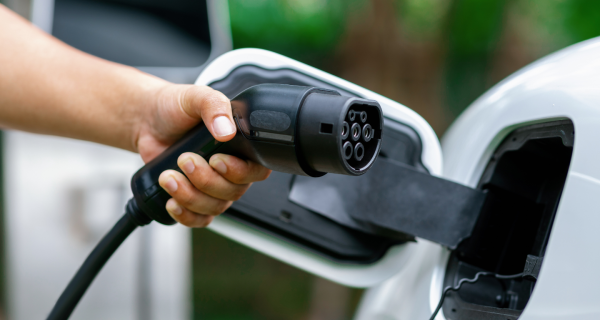
A professionally installed Level 2 charger can significantly reduce charging times compared to a standard household outlet, making it the preferred solution for daily EV drivers.

Lower Long-Term Charging Costs

Charging at home is often more cost-effective than relying on public charging infrastructure.

Many Vancouver homeowners take advantage of off-peak electricity rates, allowing them to charge their vehicles during lower-cost periods. Over time, these savings can add up significantly compared to fueling a traditional gasoline vehicle.

When paired with a residential solar energy system, homeowners can further reduce energy costs while increasing energy independence.

Increased Property Value

As EV ownership becomes more common, homebuyers are beginning to look for EV-ready properties.

A professionally installed EV charger can make a home more attractive to future buyers and demonstrate that the property is prepared for modern transportation needs.

Just as solar panels and smart home technologies have become desirable features, EV charging infrastructure is quickly becoming a valuable selling point.

Preparing for the Future of Transportation

Government policies and automaker commitments continue to support the transition toward electric mobility.

Many homeowners are choosing to install EV charging infrastructure before they actually need it, ensuring their homes are ready for future vehicle purchases and avoiding potential installation delays as demand increases.

By planning ahead, homeowners can take advantage of current installation availability and ensure their electrical systems are properly configured for future charging needs.

Professional Installation Ensures Safety and Reliability

Installing an EV charger involves more than simply mounting equipment on a wall. Proper electrical assessments, load calculations, permitting requirements, and code compliance are critical to ensuring safe and reliable operation.

Working with experienced professionals helps homeowners avoid costly mistakes while ensuring their charging system is designed for long-term performance.

At Amor Energy, our team provides complete residential EV charger installation services throughout Vancouver and the Lower Mainland. From initial consultation and site assessment to permitting and final commissioning, we help homeowners transition to electric vehicle ownership with confidence.


Start Your EV Charging Journey Today

At Amor Energy, we provide customized solar energy solutions for homeowners and businesses across Vancouver and the Lower Mainland.

Our team works closely with clients to design systems that align with their property, energy usage, and long-term goals — helping make the transition to clean energy simple, efficient, and reliable.

If you are considering solar for your home or commercial property, we would be happy to help you explore your options.
Is Solar Energy Worth It in Vancouver? What Homeowners Should Know in 2026

As energy costs continue to rise across British Columbia, more Vancouver homeowners are exploring solar energy as a long-term investment in sustainability, energy efficiency, and cost reduction.

One of the most common questions we hear is:

“Is solar actually worth it in Vancouver’s climate?”

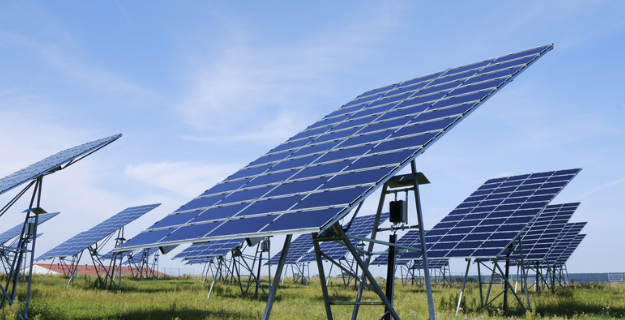
Despite the region’s reputation for cloudy weather, solar energy systems can perform surprisingly well throughout the Lower Mainland. Advances in solar technology, combined with BC Hydro’s net metering program, have made residential solar more practical and financially beneficial than ever before.


Solar Panels Perform Efficiently in Vancouver’s Climate

A common misconception is that solar panels require constant sunshine or hot temperatures to generate electricity. In reality, solar systems produce energy from daylight rather than heat, allowing them to remain effective even during overcast conditions.

Modern high-efficiency solar panels are specifically designed to maximize energy production in a variety of climates, including regions like Vancouver. While production levels naturally vary seasonally, many homeowners are still able to offset a meaningful portion of their annual electricity usage.


Reducing Long-Term Electricity Costs

With utility rates expected to continue increasing over time, many homeowners are seeking ways to improve energy independence and reduce monthly expenses.

A professionally designed solar energy system may help homeowners:

  • Lower monthly BC Hydro costs
  • Reduce reliance on the electrical grid
  • Protect against future energy price increases
  • Improve overall home efficiency
  • Support long-term sustainability goals

Because solar panels typically have a lifespan of 25 years or more, many homeowners view solar as a long-term investment rather than a short-term expense.


Understanding BC Hydro Net Metering

One of the key advantages of installing solar panels in British Columbia is access to BC Hydro’s net metering program.

Net metering allows homeowners to export excess solar energy back to the electrical grid in exchange for energy credits. These credits can then help offset electricity usage during evenings, winter months, or periods of lower solar production.

This system helps maximize the overall value and efficiency of residential solar installations throughout the year.


Solar Energy and Property Value

As sustainable living becomes increasingly important to Canadian homeowners, energy-efficient upgrades are often viewed as valuable property improvements.

A professionally installed solar system may contribute to:

  • Reduced long-term operating costs
  • Increased buyer interest
  • Enhanced energy efficiency
  • Improved property appeal in a growing clean-energy market

For many homeowners, solar is not only an environmental decision but also a strategic investment in their property’s future value.


Is Your Home Suitable for Solar?

Every property is unique, but homes that are often well suited for solar installations typically include:

  • South-facing or west-facing roof exposure
  • Minimal shading from surrounding trees or structures
  • Adequate roof condition and available space
  • Consistent household electricity usage

A professional site assessment can help determine the ideal system size and expected energy production for your specific property.


Explore Solar Solutions with Amor Energy

At Amor Energy, we provide customized solar energy solutions for homeowners and businesses across Vancouver and the Lower Mainland.

Our team works closely with clients to design systems that align with their property, energy usage, and long-term goals — helping make the transition to clean energy simple, efficient, and reliable.

If you are considering solar for your home or commercial property, we would be happy to help you explore your options.
BC Hydro EV Charging Rate Increase: What Vancouver Drivers Need to Know in 2026

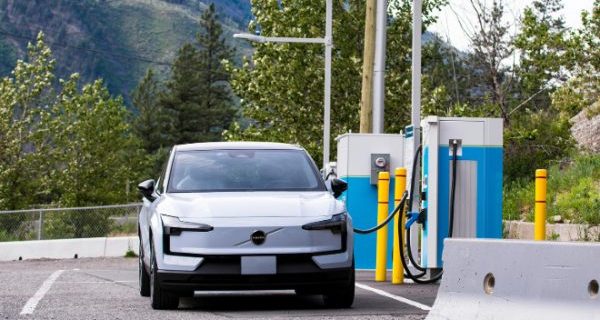
Electric vehicle drivers in Vancouver should be aware of an upcoming change to public charging costs. BC Hydro has announced new EV charging rates effective April 1, 2026, which will impact both Level 2 and DC fast charging across its network.

In this article, we break down the updated pricing and what it means for EV owners in British Columbia.


Updated BC Hydro Charging Rates (Effective April 1, 2026)

The new rates are as follows:

  • Level 2 Charging: $0.3083 per kWh

  • DC Fast Charging (25 kW and above): $0.3969 per kWh

  • Idle Fee: $0.40 per minute (no change)

According to BC Hydro, the average cost increase per session is estimated at:

  • Standard passenger vehicles: approximately $0.84 more per charge

  • Larger vehicles (e.g., pickup trucks): approximately $1.68 more per charge


What This Means for EV Owners

While the increase per charging session may appear modest, the long-term impact can become noticeable—particularly for drivers who:

  • Rely primarily on public charging stations

  • Use DC fast charging on a regular basis

  • Drive vehicles with larger battery capacities

Over time, these incremental increases can add up and influence overall EV ownership costs.


The Shift Toward Market-Based Charging

This adjustment reflects a broader trend toward market-based pricing for public EV charging infrastructure. As demand for electric vehicles continues to grow across British Columbia, pricing models are gradually evolving to reflect operational and infrastructure costs.

At the same time, continued investment in charging networks is expected to improve accessibility and reliability across the province.


Is Home EV Charging a Better Option?

For many EV owners in Vancouver, home charging remains the most cost-effective and convenient solution.

Installing a Level 2 home charger allows drivers to:

  • Charge overnight at lower electricity rates

  • Reduce reliance on public charging networks

  • Maintain consistent access to charging

  • Lower long-term operating costs

This is especially beneficial for homeowners, strata residents with approval, or businesses with dedicated parking facilities.


Planning Your Home EV Charging Setup

Before installing a home EV charger, several factors should be evaluated, including:

  • Electrical panel capacity (e.g., 100A vs 200A systems)

  • Distance between the panel and parking location

  • Load management requirements

  • Strata or property management approvals

A professional assessment ensures that your installation is safe, efficient, and compliant with local electrical standards.


Conclusion: Preparing for the Future of EV Charging

As EV adoption continues to rise in Vancouver, changes in public charging costs are expected to become more common. While the latest BC Hydro rate increase is relatively small, it highlights the importance of long-term charging strategies for EV owners.

For many drivers, investing in a home charging solution can provide greater convenience, predictability, and cost control over time.


Professional EV Charger Installation in Vancouver

At Amor Energy, we specialize in EV charger installation for residential and commercial properties across Vancouver, Burnaby, Richmond, and surrounding areas.

Our team provides end-to-end support, including:

  • Electrical capacity assessment

  • System design and recommendations

  • Professional installation

  • Ongoing support and maintenance

Contact us today for a free consultation and customized quote to find the most efficient charging solution for your property.

[Click Here to Contact Amor Energy]

Federal EV Rebates Return: How to Access Up to $5,000 in Canada

Good news for residents in Vancouver and across British Columbia — the federal electric vehicle (EV) incentive program is back, offering rebates of up to $5,000 for eligible vehicles.

As one of Canada’s leading regions in EV adoption, this policy update is especially relevant for BC residents. Here’s what you need to know and how it may impact your decision.


🔑 Key Highlights for Vancouver Residents

1. Incentive Amounts

Eligible buyers can receive:

  • Up to $5,000 for battery electric or hydrogen fuel cell vehicles

  • Up to $2,500 for plug-in hybrid vehicles

To qualify, the vehicle’s purchase price must be below $50,000 (MSRP threshold conditions apply).


2. Updated Long-Term Targets

The federal government has adjusted its zero-emission vehicle (ZEV) targets:

  • Previous goal: 100% ZEV sales by 2035

  • Updated target: 90% by 2040

While this change may have limited immediate impact in Vancouver—where EV adoption is already high—it is expected to support continued investment in charging infrastructure, which benefits all EV owners.


3. Expansion of Charging Infrastructure

The updated policy includes increased funding for public charging infrastructure.

This is particularly important for:

  • Condo and apartment residents

  • Drivers concerned about long-distance travel

Over time, improved infrastructure should help reduce “range anxiety” and make EV ownership more convenient.


🚗 What This Means for Buyers in BC

For those considering popular models such as the Tesla Model 3 or Hyundai Kona Electric, this is a strong opportunity.

When combined with provincial incentives (CEV for BC), the total savings can significantly reduce the upfront cost of ownership.

However, it’s important to note:

  • Provincial incentives are often limited and distributed on a first-come, first-served basis

  • Planning ahead is essential to maximize available rebates


⚡ Why Home Charging Matters

While Vancouver has a growing network of public charging stations, home charging remains the most convenient and cost-effective solution for EV owners.

That said, installation can vary depending on your property type:

  • Single-family homes: Typically straightforward with proper electrical capacity

  • Condos and multi-unit buildings: May require strata approval and additional planning

Professional guidance can help simplify the process and ensure compliance with safety standards.


💡 Recommended Next Steps

If you are considering purchasing an EV:

  • Check eligibility
    Visit Transport Canada and CEV for BC websites for updated vehicle lists

  • Calculate total cost
    Pay close attention to MSRP thresholds to maximize rebate eligibility

  • Plan for charging
    Contact your property manager (if applicable) to explore installation options early


📩 Considering EV Ownership in Vancouver?

With federal and provincial incentives combined, the cost of owning an EV in BC is becoming more accessible than ever.

If you are exploring EV ownership and have questions about home charging installation, our team at Amor Energy is here to help. We provide end-to-end support—from initial assessment to professional installation—so you can transition to electric driving with confidence and convenience.

[Click Here to Contact Amor Energy]

Canada opened China EVs

Canada’s Pivot to Chinese EVs: A Strategic Trade Shift and What It Means for the Market

Executive Summary: A Landmark Policy Reversal

In a move that signals a significant shift in North American trade dynamics, Canada has reached a groundbreaking agreement with China to reduce its tariff on Chinese-manufactured electric vehicles from 100% to 6.1%. Announced during Prime Minister Mark Carney’s January 2026 visit to Beijing, this “EVs for Canola” deal represents a strategic decoupling from the United States’ hardline stance on Chinese automotive imports. The agreement includes a managed quota system, starting at 49,000 vehicles annually and scaling to approximately 70,000 over five years, potentially introducing affordable EVs priced under $35,000 CAD into a market where the average new vehicle costs around $63,000.


Analysis of the Core Agreement

The Tariff-Quota Mechanism

The bilateral agreement establishes a structured framework for market access:

  • Immediate Tariff Reduction: The punitive 100% tariff—previously aligned with U.S. policy—plummets to 6.1%, a rate that makes Chinese imports commercially viable.

  • Phased Import Quotas: To ensure market stability and allow for domestic adjustment, imports are capped. The initial annual quota of 49,000 vehicles (representing a small but strategic portion of Canada’s 1.8 million annual new car market) is set to grow to ~70,000 over five years.

  • Reciprocal Agricultural Concessions: In a classic example of comparative advantage trade, China has agreed to lower tariffs on key Canadian agricultural exports, most notably canola seeds, providing a vital boost to the Canadian agri-sector.

Strategic Motivations Behind the Deal

This policy shift is driven by several interconnected factors:

  1. Affordability Pressures: With record-high vehicle prices, the Canadian government is under public pressure to increase affordable transportation options. This deal directly addresses that need.

  2. Diversification of Trade and Supply Chains: Reducing economic over-reliance on any single partner (including the U.S.) and diversifying sources of critical technology like EVs is a long-term strategic priority.

  3. Strained U.S.-Canada Relations: The deal occurs against a backdrop of tense Canada-U.S. relations, marked by previous U.S. tariff actions and rhetoric. Canada is asserting a more independent trade path.

  4. Greening the Fleet: Accelerating EV adoption is a cornerstone of Canada’s climate policy. Introducing more affordable models can help accelerate this transition.


Market Impact and Competitive Landscape

Opportunities for Consumers and New Entrants

  • Price Disruption: The potential arrival of Chinese-branded EVs starting below $35,000 CADcreates a new competitive tier in the market, currently underserved by most North American and European automakers who are focused on higher-margin segments.

  • Technology Infusion: Chinese OEMs are often leaders in in-vehicle infotainment, connectivity, and battery efficiency. Their entry could raise the technological benchmark for all players in the Canadian market.

  • Increased Choice: Brands like BYD, NIO, XPeng, and Zeekr could offer Canadian consumers diverse options, from budget-friendly compacts to tech-laden premium vehicles.

Challenges for Incumbent Automakers

  • Margin Pressure: Established automakers (GM, Ford, Stellantis, Toyota, Honda) may face intensified pressure on their entry-level and mid-range EV offerings, potentially forcing price adjustments or accelerated innovation cycles.

  • Supply Chain Re-evaluation: The deal may incentivize Chinese automakers to eventually establish local assembly or battery production in Canada to further reduce costs and meet potential local content rules, altering the existing North American supply chain map.


The Geopolitical Context: Canada Charts Its Own Course

This agreement marks a clear divergence from U.S. trade policy. While the U.S. maintains its high tariffs under the current administration, Canada is pursuing a more pragmatic, engagement-based approach with China in specific sectors. This could have ripple effects, potentially encouraging other allies to consider similar calibrated openings. The deal underscores Canada’s intent to balance its deep integration with the U.S. economy with its own national interests in affordability and trade diversification.


Long-Term Implications and Strategic Considerations

For Businesses in the Automotive Ecosystem

  1. Dealerships and Retail: A new wave of brands will require retail partnerships and service networks, creating business opportunities for forward-looking dealership groups.

  2. Parts and Service: The automotive aftermarket will need to prepare for new makes and models, involving training, tooling, and parts sourcing.

  3. Market Intelligence: Competitors must closely analyze the features, pricing, and consumer reception of the first Chinese EV models to land in Canada.

For Policymakers and Industry Groups

  1. Transition Management: The quota system is designed to manage the pace of change. Its effectiveness in allowing domestic adaptation will be closely watched.

  2. Standards and Safety: Ensuring all new imports meet Canada’s stringent safety and environmental standards is paramount.

  3. Future Negotiations: This deal may set a precedent for how Canada negotiates market access in other high-tech sectors.


Conclusion: A Watershed Moment for Canadian Auto

Canada’s tariff-quota deal with China is more than a simple policy adjustment; it is a strategic recalibration of its automotive and trade policy. By opening the door to competitive Chinese EVs, Canada is prioritizing consumer affordability, technological choice, and strategic trade diversification in the short to medium term. While presenting challenges for the established industry, this move also injects new dynamics into the market that will likely spur innovation, competition, and ultimately, a faster transition to electric mobility. The success of this policy will be measured by how smoothly the market integrates these new players and how effectively Canadian consumers and businesses harness the benefits of this increased choice and competition.

The automotive landscape in Canada is evolving. Stay informed on market shifts, regulatory changes, and strategic opportunities by subscribing to our insights.

[Click Here to Contact Amor Energy]

How Energy Storage Systems Save Costs for Vancouver Office Buildings: A Case Study

A Real-World Case Study from Downtown Vancouver

As electricity costs continue to rise, managing peak demand and controlling operational expenses has become a critical challenge for commercial building owners. This pressure is intensifying as buildings undergo electrification—adding EV charging stations, upgrading HVAC systems, and supporting higher electrical loads.

This article explores a real-world case study of a mid-rise office building in downtown Vancouver that installed an Energy Storage System (ESS) to participate in BC Hydro’s Energy Storage Incentive (ESI) program. The result: substantial electricity bill savings, new revenue streams, and enhanced building resilience.


Why Energy Storage Matters for Commercial Buildings

In British Columbia, a significant portion of a commercial electricity bill comes from demand charges, which are based on a building’s highest power draw during peak periods. As electrification accelerates, these peak loads increase—often triggering sharp cost spikes.

An Energy Storage System (ESS) addresses this challenge by:

  • Discharging during peak hours to reduce maximum demand (peak shaving)

  • Lowering demand charges on monthly electricity bills

  • Enabling participation in utility Demand Response (DR) programs

  • Supporting grid reliability while improving building resilience

Rather than viewing batteries as backup power alone, this case demonstrates how ESS can function as a strategic financial and operational asset.


System Configuration and Key Benefits

System Overview

  • ESS Cabinets: 4

  • Total Usable Capacity: 672 kWh

  • Continuous Discharge Power: 240 kW

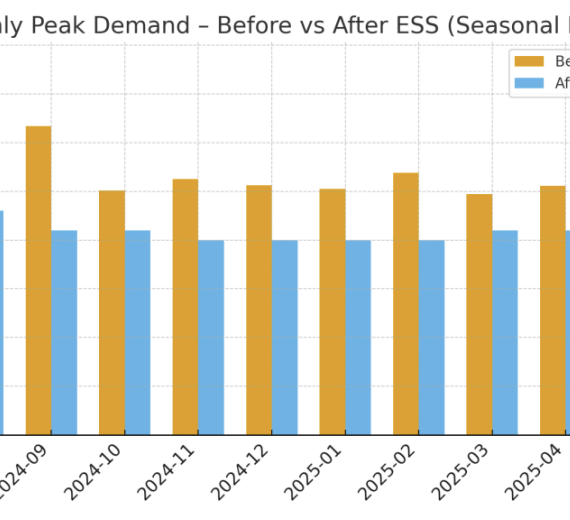
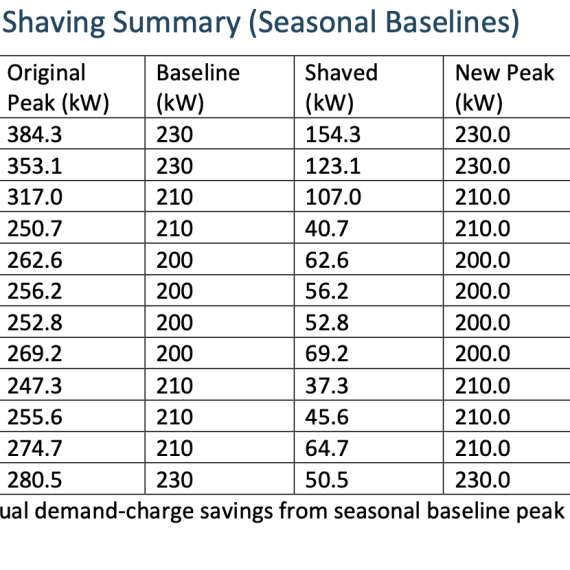
  • Monthly Peak Shaving: 40–150 kW (seasonally dependent)

Measured Benefits

1. Electricity Cost Savings
Seasonal peak shaving reduces annual demand charges by approximately $11,833 CAD, delivering immediate and measurable savings.

2. Strong Financial Incentives

  • BC Hydro ESI Program: Covers up to 80% of total project costs

  • Federal Investment Tax Credit (ITC): Applies a 30% tax credit to the remaining balance

These incentives dramatically reduce upfront capital requirements and shorten the investment horizon.

3. Demand Response Revenue
By responding to BC Hydro DR events, the ESS generates approximately $7,350 CAD annually in additional revenue.

4. Deferred Infrastructure Upgrades
Peak demand reduction helps delay or avoid costly upgrades to:

  • Transformers

  • Electrical distribution equipment

  • Utility service capacity

5. Improved Building Resilience
A portion of battery capacity is reserved for critical loads, such as elevators and life-safety systems, helping ensure operational continuity during grid disruptions or emergency events.


Intelligent Control and Seasonal Optimization

The system is managed by an advanced Energy Management System (EMS) that dynamically adjusts peak shaving targets based on seasonal load profiles:

Season Peak Shaving Baseline
Winter (Nov–Feb) 200 kW
Shoulder Seasons (Mar–May, Sep–Oct) 210 kW
Summer (Jun–Aug) 230 kW
  • On non-DR days, the ESS automatically shaves peak demand

  • During DR events, the system prioritizes grid support

  • Battery recharging is scheduled during off-peak hours to avoid creating new demand spikes

This adaptive strategy ensures consistent savings while maximizing grid participation value.


Financial Performance and Payback

  • Total Project Cost: ~ $1,000,000 CAD

  • Net Cost After Incentives: ~ $103,400 CAD

  • Annual Net Benefit: ~ $14,183 CAD

  • Simple Payback Period: ~ 7.3 years

Given the typical 15–20 year lifespan of commercial battery systems, this represents a strong long-term return on investment.


Why Now Is the Right Time to Invest in Energy Storage

Compelling Incentives
The combination of BC Hydro’s ESI program and the federal ITC significantly lowers financial barriers to adoption.

Favorable Rate Structures
With demand charges representing a large share of commercial electricity costs, peak shaving delivers immediate value.

Grid and ESG Alignment
Energy storage not only reduces costs but also supports grid stability and sustainability goals.

Future-Proofing Your Building
ESS prepares properties for expanded EV charging, deeper electrification, and higher tenant expectations—enhancing long-term asset competitiveness.


Conclusion

This downtown Vancouver case study demonstrates that, with proper system design and intelligent controls, energy storage systems can significantly reduce operating costs while providing valuable grid services.

As policy support strengthens and technology continues to advance, energy storage is evolving from a niche solution into a core component of modern commercial building strategy.

Interested in learning how a tailored energy storage solution could benefit your building?
Contact us today to explore your options.

The data and analysis presented in this article are based on real load profiles and commercially available system designs. Actual results may vary depending on building usage patterns, grid dispatch frequency, and program updates. Professional assessment and modeling are recommended.

[Click Here to Contact Amor Energy]

BC Hydro Residential Battery Rebates Are Changing in 2026: What Homeowners Need to Know

Starting April 1, 2026, major updates are coming to BC Hydro’s Residential Battery Rebate Program. For homeowners planning to install a battery or a combined solar + battery system, these changes will impact how much financial support you can receive — and how to maximize your incentives before the deadline.

As a leading clean-energy provider in Metro Vancouver, Amor Energy helps homeowners navigate rebates, design efficient systems, and install reliable home energy solutions across BC.


📅 When Will the New BC Hydro Battery Rebate Begin?

The updated rebate structure will take effect on April 1, 2026.

➡️ Important Deadline:
All applications submitted before April 1, 2026 remain eligible for the current (old) rebate rates.
If you’re considering a home battery installation in BC, now is the ideal time to move forward.


🔋 New BC Hydro Battery Rebate Structure for 2026

BC Hydro’s new incentive model strongly emphasizes participation in the Peak Saver Program, which allows batteries to support the grid during high-demand periods.

Below is a clear breakdown to help BC residents understand the new policy.


1. Battery-Only Installation

Eligibility Total Incentives One-Time Battery Rebate Peak Saver Seasonal Payment
Not enrolled in Peak Saver None None None
Enrolled in Peak Saver Up to $5,000 $5,000 $250 per season

2. Battery + Solar Installation (Best Savings)

A popular choice for homeowners looking to combine solar installation with home energy storage.

Eligibility Total Incentives One-Time Battery Rebate Solar Incentive Peak Saver Payment
Not enrolled in Peak Saver Up to $1,500 for battery + up to $5,000for solar $1,500 Up to $5,000 None
Enrolled in Peak Saver Up to $5,000 for battery + up to $5,000for solar $5,000 Up to $5,000 $250 per season

➡️ Homeowners who install solar + battery and join Peak Saver may receive $10,000+ in total incentives, making this the most cost-effective option.


⚡ What Is the BC Hydro Peak Saver Program?

The Peak Saver program is a demand-response initiative that enables BC Hydro to manage electricity load using stored power from Peak Saver-compatible home batteries.

How Peak Saver Works

  • Your battery discharges to power your home during peak demand.

  • The battery will not drop below 20%, ensuring you retain backup power.

  • Each event lasts a maximum of 4 hours.

  • After the event, the system returns to normal and recharges automatically.

  • You maintain full control — you can opt out at any time.

  • Remain active for most events in a season to qualify for the $250 seasonal payment.


🔧 Peak Saver-Compatible Batteries

Only Peak Saver-compatible batteries qualify for the highest rebate tier.
If you’re unsure whether your preferred battery model works with Peak Saver, you can contact BC Hydro at peaksaver@bchydro.com, or our team at Amor Energy can assist you.

We help homeowners choose systems that qualify for the maximum available rebate.


💡 How to Maximize the 2026 Battery Rebates in BC

Here are our professional recommendations:

1. Install Battery + Solar Together

This combination unlocks the highest rebate tier, providing up to $10,000+ in incentives.

2. Apply Before April 1, 2026

Applications submitted before the new policy takes effect may qualify for higher old-program rebates, depending on your system.

3. Choose a Peak Saver-Compatible Model

This ensures eligibility for the full $5,000 battery rebate plus seasonal payments.

4. Work with a Certified Installer

Amor Energy provides:

  • Home battery installation

  • Solar PV system installation

  • Rebate application support

  • Peak Saver enrollment assistance

  • System design & maintenance


Why Homeowners Choose Amor Energy

As a trusted solar and battery installation company in BC, we specialize in:

  • Clean energy solutions

  • Home energy storage systems

  • EV charger installations

  • BC Hydro rebate guidance

  • Sustainable home upgrades

Our team ensures your system is safe, compliant, and optimized for maximum rebate savings.


Ready to Secure Your BC Hydro Battery Rebate?

Whether you’re planning to install a home battery, upgrade to solar + storage, or join the Peak Saver program, Amor Energy can guide you through every step.

📞 Contact us today for a free consultation.
🔗 Learn more at: amorenergy.ca

[Click Here to Contact Amor Energy]

Accessing BC’s Home Energy Rebates: The Importance of Working with an HPSC-Certified Contractor

Your Guide to BC’s Home Energy Rebates: Working with an HPSC-Certified Contractor

If you’re a homeowner in British Columbia considering upgrades like an electric vehicle charger, solar panels, or a home battery system, you’ve likely heard about provincial rebate programs that can help offset the cost. But navigating the requirements can be confusing.

A critical question often arises: “Why do I need to use a specific contractor to qualify for these rebates?”

The answer lies in understanding the Home Performance Contractor Network (HPCN) and the standards set by the Home Performance Stakeholder Council (HPSC).

The Standard for Quality: HPSC Certification and the HPCN

Let’s break down what these mean for your project.

  • HPSC (Home Performance Stakeholder Council): This is the independent, non-profit body that administers the Home Performance Contractor Network (HPCN). HPSC sets the industry standards for quality and energy performance.

  • HPCN (Home Performance Contractor Network): This is the official network that homeowners must use for various provincial rebate programs. To become an HPCN contractor, a company must achieve HPSC certification, proving their technical expertise and commitment to quality installations.

In simple terms: HPSC certification is the qualification that allows a contractor to join the HPCN network, which is your gateway to government rebates.

This system is a vital consumer protection measure. It ensures that the contractors installing complex energy systems in your home are qualified to do the job correctly and efficiently.

The Mandatory Future of Rebates: HPSC Certification is Essential

The link between working with an HPCN contractor and rebate access is about to become absolute.

Here is the essential information:

Currently, using an HPCN contractor is a standard requirement for most rebate programs. However, starting in 2026, this requirement will be strictly enforced.

What does this mean for you?

  • If you plan to apply for a government rebate after 2026, your application will only be accepted if the work was performed by an HPSC-certified contractor within the HPCN.

  • Choosing a contractor who is not part of the HPCN after this deadline will make your project ineligible for financial assistance.

This policy reinforces the government’s commitment to ensuring public funds support high-quality, effective upgrades that deliver real energy savings.

Amor Energy: Your HPSC-Certified Contractor in Vancouver

We are proud to be an HPSC-certified contractor and part of the Home Performance Contractor Network (HPCN).

Our HPSC certification means we have met the rigorous standards required to perform rebate-eligible work. When you choose Amor Energy, you are choosing a contractor recognized for their expertise and commitment to quality in the home performance industry.

By working with us, you receive:

  1. Assured Rebate Eligibility: Your installation will meet a key requirement for provincial rebate programs. We handle the necessary documentation to support your application.

  2. Quality Assurance: Our work adheres to industry standards, ensuring your EV charger, solar panel system, or home battery is installed safely and effectively.

  3. A Streamlined Process: From consultation to rebate submission, we guide you through each step of your home energy upgrade.

What This Means for Your Home Upgrade Projects

Whether you are planning to install:

  • A Level 2 EV Charger

  • A Solar Panel Array

  • A Home Battery Storage System

…working with an HPSC-certified contractor like Amor Energy is essential for a successful project and accessing available rebates.

Ready to Upgrade with Confidence?

With the 2026 deadline approaching, now is the time to plan your upgrade with a certified professional. Choosing Amor Energy, an HPSC-certified contractor, ensures your project aligns with current and future program requirements.

Contact Amor Energy today for a free, no-obligation assessment. Discover how much you can save with government rebates and get a quote from your local Vancouver HPSC-certified contractor.

[Click Here to Contact Amor Energy]