ev charging

Canada’s EV Transition Is Accelerating: What It Means for EV Charging in 2026

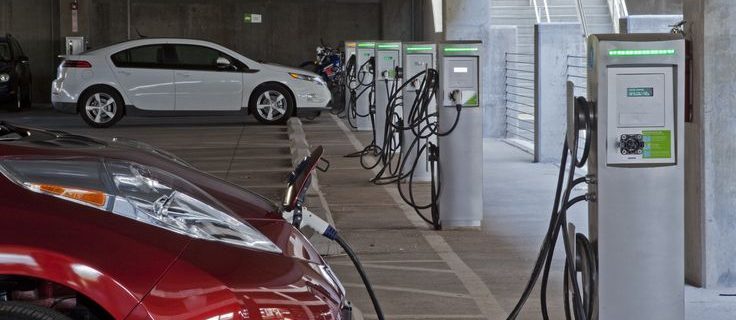
Electric vehicles are becoming an increasingly visible part of Canada’s transportation and energy landscape.

But as more Canadians make the switch to electric vehicles, the conversation is moving beyond the vehicles themselves.

The next question is infrastructure:

How will Canada charge all of these EVs?

Canada Is Continuing to Expand EV Charging Infrastructure

Canada’s EV transition is being supported by continued investment in charging infrastructure.

In July 2026, the Government of Canada announced approximately $11 million in funding for 23 electric vehicle infrastructure and education projects across the country. The funding includes nearly $9 million to install close to 400 EV chargers through nine projects.

The expansion is also visible in British Columbia.

BC Hydro surpassed 900 public EV charging ports across B.C. earlier this year and continues to expand its fast-charging network. In August, BC Hydro opened its first fast-charge site in the Southern Gulf Islands on Salt Spring Island.

These developments reflect a broader trend: EV adoption requires charging infrastructure to grow alongside it.

B.C. Already Has More Than 230,000 EVs

According to BC Hydro, more than 230,000 electric vehicles were already on B.C. roads in 2026.

At the same time, BC Hydro is exploring smarter ways to manage when EVs charge.

Through its Power Smart 2.0 initiative, BC Hydro is working to expand smart charging so EV charging can be shifted toward periods when electricity demand is lower.

This is an important development because EV charging is not only a transportation issue.

It is also an electricity-management issue.

Home EV Charging Is Becoming Part of Everyday Energy Planning

For many EV owners, home charging is the most convenient way to keep a vehicle charged.

A Level 2 EV charger can make overnight charging part of a normal daily routine.

However, homeowners should consider more than the charger itself.

Before installation, it is important to understand:

  • Existing electrical service capacity
  • Electrical panel capacity
  • Charger power requirements
  • Installation location
  • Cable routing
  • Current household electricity consumption
  • Future EV ownership
  • Potential solar or battery installations

An EV charger becomes part of the property’s electrical system, so proper planning matters.

Businesses Face a Different Charging Challenge

For businesses, EV charging can involve a much larger infrastructure requirement.

A commercial property may need charging for:

  • Employee vehicles
  • Customer or visitor vehicles
  • Company vehicles
  • Electric fleets
  • Multiple EVs operating throughout the day

Installing multiple chargers can create additional electrical demand.

This is where electrical planning becomes particularly important.

A business may need to evaluate current electrical capacity while also considering how many chargers it may need in the future.

From One Charger to Larger EV Infrastructure

The growth of EV charging is not limited to residential properties.

Municipalities, commercial properties and fleet operators are also planning larger charging installations.

For example, Amor Energy is supporting the City of Maple Ridge with a municipal EV charging infrastructure project involving 18 ChargePoint Level 2 EV chargers.

Projects like this demonstrate how EV charging can scale from a single residential charger to multi-charger infrastructure requiring detailed planning and coordination.

Smart Charging May Become More Important

As the number of EVs increases, managing when vehicles charge could become increasingly important.

Smart charging can help shift charging toward periods when electricity demand is lower.

For homeowners, this may simply mean charging overnight.

For businesses and larger sites, however, charging management can become a more significant part of energy planning.

The future of EV charging may therefore involve not only:

More chargers

but also:

Smarter charging.

What Should You Consider Before Installing an EV Charger?

If you are considering an EV charger for your home or business, start with five questions:

1. What type of charger do you need?

Your vehicle and daily driving habits can help determine the appropriate charging solution.

2. Can your electrical system support it?

An electrical assessment can help identify whether your existing system has sufficient capacity.

3. Are you planning for more EVs?

If you may add another EV or additional chargers in the future, planning ahead can reduce the need for major upgrades later.

4. Are you considering solar?

Solar can become part of a broader home energy strategy, particularly for homeowners who are increasing their electricity consumption through EV charging.

5. Do you need smart charging?

For properties with multiple EVs, charging management may become an important consideration.

EVs Are Changing More Than Transportation

Canada’s EV transition is creating a broader change in how transportation and electricity infrastructure interact.

More EVs mean more demand for charging.

More charging means more consideration of electrical capacity.

And as charging networks expand, smart energy management may become increasingly important.

At Amor Energy, we provide EV charger installation and electrical planning solutions for residential, commercial and municipal applications across British Columbia.

Whether you are installing one home charger or planning a larger charging project, the right solution starts with understanding your property’s current and future energy needs.

The future of transportation is electric. The infrastructure behind it needs to be ready.


Building a More EV-Ready British Columbia

Projects like the City of Maple Ridge installation are one example of how organizations across British Columbia can incorporate EV charging into existing facilities.

At Amor Energy, we work with residential, commercial, and municipal clients to develop EV charging solutions based on their property’s electrical infrastructure and operational needs.

From initial planning and electrical assessment to installation and commissioning, our team supports projects of different sizes and levels of complexity.

Planning an EV charging project for your municipality, workplace, or commercial property?

Contact Amor Energy to discuss your project and explore the right charging solution for your facility.

ev charging

Why Municipal EV Charging Infrastructure Matters: Lessons from the City of Maple Ridge

As electric vehicles become more common across British Columbia, the need for convenient and reliable EV charging infrastructure continues to grow.

While much of the conversation around EV charging focuses on public charging stations and residential chargers, municipal and workplace charging infrastructure also plays an important role.

Municipal facilities need to prepare for an increasingly electrified transportation environment—not only for their own vehicles and operations, but also for employees, contractors, and visitors who drive EVs.

A recent project completed by Amor Energy for the City of Maple Ridge provides an example of how organizations can take steps toward becoming more EV-ready.


What Is Municipal EV Charging Infrastructure?

Municipal EV charging infrastructure refers to EV charging equipment installed at facilities operated or managed by a municipality.

Unlike public charging stations that are primarily designed for general public access, municipal charging infrastructure can be used to support:

  • Municipal vehicles and operations
  • Employees
  • Visitors
  • Facility users
  • Other authorized drivers

The specific use of the charging stations depends on the municipality and the facility’s operational requirements.


City of Maple Ridge EV Charging Project

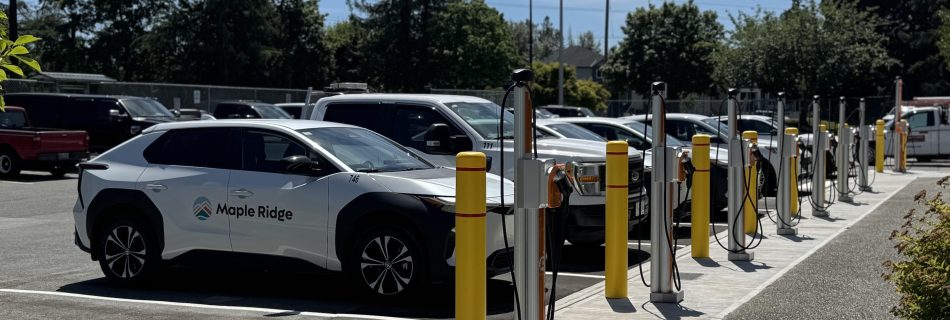
Amor Energy was selected to install 18 ChargePoint Level 2 EV chargers for the City of Maple Ridge in British Columbia.

Project at a Glance

Project Detail Information
Client City of Maple Ridge
Location Maple Ridge, BC
Project Type Municipal EV Charging Infrastructure
Charging Equipment ChargePoint Level 2
Number of Chargers 18
Project Duration September 2026 – June 2027

The project was designed to provide convenient EV charging access for municipal operations and visitors, helping the City’s facilities become better prepared for the continued adoption of electric vehicles.


Why Level 2 Chargers Are a Practical Choice

For many workplaces and municipal facilities, vehicles remain parked for several hours at a time.

This makes Level 2 charging a practical option.

Instead of requiring a vehicle to make a separate trip to a fast-charging location, an EV can charge while it is already parked at a workplace or municipal facility.

This can make EV charging easier to integrate into an organization’s daily operations.


What Goes Into a Multi-Charger Installation?

Installing 18 EV chargers is significantly different from installing a single residential charger.

A multi-charger project requires careful consideration of the property’s electrical infrastructure and the charging requirements.

Depending on the project, important considerations can include:

1. Electrical Capacity

The existing electrical infrastructure needs to be evaluated to determine whether it can support the planned charging equipment.

2. Charger Placement

The location of each charger needs to be considered based on parking layout, accessibility, cable routing, and the existing electrical infrastructure.

3. Electrical Infrastructure

Installing multiple chargers can require additional electrical work, including conduit, wiring, distribution equipment, and related infrastructure.

4. Safety and Compliance

Professional installation and appropriate electrical protection are essential for creating a safe and reliable charging system.

5. Testing and Commissioning

Before the project is completed, the charging equipment and associated electrical systems need to be tested to ensure the installation is operating as intended.


More Than Just EV Chargers

The Maple Ridge project demonstrates an important point about EV infrastructure:

EV charging is becoming part of the infrastructure of modern workplaces and municipal facilities.

For organizations planning ahead, installing EV chargers can be part of a broader strategy to prepare facilities for changing transportation needs.

As EV adoption continues to increase, having charging infrastructure already in place can make it easier for organizations to support employees, visitors, and operational vehicles that rely on electric transportation.


Building a More EV-Ready British Columbia

Projects like the City of Maple Ridge installation are one example of how organizations across British Columbia can incorporate EV charging into existing facilities.

At Amor Energy, we work with residential, commercial, and municipal clients to develop EV charging solutions based on their property’s electrical infrastructure and operational needs.

From initial planning and electrical assessment to installation and commissioning, our team supports projects of different sizes and levels of complexity.

Planning an EV charging project for your municipality, workplace, or commercial property?

Contact Amor Energy to discuss your project and explore the right charging solution for your facility.
Accessing BC’s Home Energy Rebates: The Importance of Working with an HPSC-Certified Contractor

Your Guide to BC’s Home Energy Rebates: Working with an HPSC-Certified Contractor

If you’re a homeowner in British Columbia considering upgrades like an electric vehicle charger, solar panels, or a home battery system, you’ve likely heard about provincial rebate programs that can help offset the cost. But navigating the requirements can be confusing.

A critical question often arises: “Why do I need to use a specific contractor to qualify for these rebates?”

The answer lies in understanding the Home Performance Contractor Network (HPCN) and the standards set by the Home Performance Stakeholder Council (HPSC).

The Standard for Quality: HPSC Certification and the HPCN

Let’s break down what these mean for your project.

  • HPSC (Home Performance Stakeholder Council): This is the independent, non-profit body that administers the Home Performance Contractor Network (HPCN). HPSC sets the industry standards for quality and energy performance.

  • HPCN (Home Performance Contractor Network): This is the official network that homeowners must use for various provincial rebate programs. To become an HPCN contractor, a company must achieve HPSC certification, proving their technical expertise and commitment to quality installations.

In simple terms: HPSC certification is the qualification that allows a contractor to join the HPCN network, which is your gateway to government rebates.

This system is a vital consumer protection measure. It ensures that the contractors installing complex energy systems in your home are qualified to do the job correctly and efficiently.

The Mandatory Future of Rebates: HPSC Certification is Essential

The link between working with an HPCN contractor and rebate access is about to become absolute.

Here is the essential information:

Currently, using an HPCN contractor is a standard requirement for most rebate programs. However, starting in 2026, this requirement will be strictly enforced.

What does this mean for you?

  • If you plan to apply for a government rebate after 2026, your application will only be accepted if the work was performed by an HPSC-certified contractor within the HPCN.

  • Choosing a contractor who is not part of the HPCN after this deadline will make your project ineligible for financial assistance.

This policy reinforces the government’s commitment to ensuring public funds support high-quality, effective upgrades that deliver real energy savings.

Amor Energy: Your HPSC-Certified Contractor in Vancouver

We are proud to be an HPSC-certified contractor and part of the Home Performance Contractor Network (HPCN).

Our HPSC certification means we have met the rigorous standards required to perform rebate-eligible work. When you choose Amor Energy, you are choosing a contractor recognized for their expertise and commitment to quality in the home performance industry.

By working with us, you receive:

  1. Assured Rebate Eligibility: Your installation will meet a key requirement for provincial rebate programs. We handle the necessary documentation to support your application.

  2. Quality Assurance: Our work adheres to industry standards, ensuring your EV charger, solar panel system, or home battery is installed safely and effectively.

  3. A Streamlined Process: From consultation to rebate submission, we guide you through each step of your home energy upgrade.

What This Means for Your Home Upgrade Projects

Whether you are planning to install:

  • A Level 2 EV Charger

  • A Solar Panel Array

  • A Home Battery Storage System

…working with an HPSC-certified contractor like Amor Energy is essential for a successful project and accessing available rebates.

Ready to Upgrade with Confidence?

With the 2026 deadline approaching, now is the time to plan your upgrade with a certified professional. Choosing Amor Energy, an HPSC-certified contractor, ensures your project aligns with current and future program requirements.

Contact Amor Energy today for a free, no-obligation assessment. Discover how much you can save with government rebates and get a quote from your local Vancouver HPSC-certified contractor.

[Click Here to Contact Amor Energy]

6 Reasons Why Business Should Invest in EV Charging Station

Investing in EV charging stations is becoming an increasingly smart move for business, with benefits that extend beyond immediate profits. Here’re 6 major reasons why business should consider investing in EV charging stations.

1.Attract and Retain Customers

As the number of EV drivers grows, having an on-site charging station can attract EV drivers to your location. Businesses that provide EV chargers can bring in new customers, as they tend to spend time (and often more money) at places where they can charge their vehicles during their stay. As a result, while customers wait for their vehicles to charge, they are likely to explore nearby stores, dine in restaurants, or browse other services, leading to increased spending at the location.

Besides, once customers know that your location has charging stations, they’re likely to come back in the future, which drives customer loyalty.

2.Enhance Brand Image and Reputation

Establishing an EV charging infrastructure signals a commitment to sustainability and a greener future, which resonates with environmentally conscious consumers. A business that is known for supporting green initiatives often enhances its reputation, appealing to both consumers and employees who value sustainability.

3.Increase Employee Satisfaction and Retention

Offering EV charging stations at the workplace can be a valuable bonus for employees who are also EV drivers. This convenience can contribute to employee satisfaction, help reduce turnover, and position your company as a forward-thinking, environmentally responsible employer.

4.Extra Revenue Stream

Many businesses charge a fee for using EV chargers, creating an additional revenue stream. Depending on demand, companies can set charging fees to offset installation and maintenance costs or even generate profits.

Besides, charging stations encourage EV drivers to stay longer, which is associated with a higher chance to spend money at nearby shops or restaurants. This indirect revenue, generated from increased customer dwell time, can benefit retail business, malls, and dining establishments significantly.

Moreover, for commercial property owners, investing in EV charging stations can enhance property value and attract more tenants who have a need for charging their EV or someone who value sustainability.

5.Take Advantage of Incentives and Rebates

In BC, BC Hydro offers rebates and incentives for business to install EV charging stations. These incentives can significantly reduce installation costs, making it more affordable to invest in EV charging infrastructure.

According to BC Hydro, business can apply for up to 50% of the cost for a level 2 charger installation, up to $2,000 per charger, and up to a total of $14,000 per commercial building.

6.Align with Corporate Social Responsibility Principles

By investing in EV charging infrastructure, businesses can actively promote sustainable transportation and support the transition to electric vehicles, which directly contributes to reducing greenhouse gas emissions. The presence of accessible EV charging stations enables more people to switch to EVs with the confidence of reliable charging options, ultimately lowering dependence on fossil fuels. Additionally, businesses that invest in EV charging infrastructure demonstrate a commitment to meeting environmental goals, which aligns with corporate social responsibility (CSR) principles.

Conclusion

Overall, investing in EV charging infrastructure proactively enhances a business’s reputation and creates new opportunities on the long run. Not only does it help with achieving environmental goals, but it also enables customer attraction & retention and leads to revenue generation. As EV becomes mainstream, businesses with EV charging stations are likely to see both direct and indirect benefits.

8 Top Tips: Maximize Your EV’s Range in Winter

Winter in Vancouver can bring a variety of unexpected conditions, from mild rain to snow and freezing temperatures. For EV drivers, these conditions can impact both driving range and car performance. But with a few practical tips, you can maximize your EV’s efficiency and enjoy a comfortable, safe winter driving experience.

Tip 1: Preheat Your EV

Vancouver’s winter temperatures, while milder than most Canadian cities, can still impact battery performance and driving comfort. Using your EV’s preconditioning feature to warm up the battery and cabin before you hit the road can make a big difference. When your car is plugged in, preconditioning pulls energy from the charger rather than the battery, saving you a lot of range.

Tip 2: Optimize charging routines

Winter temperatures can reduce battery capacity, so it’s helpful to charge just before you drive. Setting a timer to finish charging right before departure will keep the battery warm and more efficient. Many EV owners find it helpful to set the charge level to 80~90% daily, except for longer trips when a full charge is necessary.

Tip 3: Use seat warmers instead of the AC/Cabin Heater

EVs are known for their efficient, quick-heating cabin warmers, but these can consume a lot of power and reduce driving range. Using seat and steering wheel heaters as a primary source of warmth can help reduce power consumption. Once the cabin warms up, you can lower the heater temperature to save energy and driving range.

Tip 4: Check Tire Pressure and Consider Winter Tires

Low tire pressure can be common in colder weather, which can lead to increase in rolling resistance and reduction in range. Check tire pressure regularly and keep it at the recommend level for your vehicle can prevent a lot of driving hazards. Based off Vancouver’s unpredictable winter conditions, it may be wise to invest in all-season or winter tires for improved traction, especially if you’re likely to encounter icy or snowy roads.

Tip 5: Manage Your Speed and Driving Style

High speeds and aggressive driving consume more power, especially in colder temperatures. Maintaining a steady, moderate speed is key to saving battery life. Avoid quick acceleration and hard braking, and try to use regenerative braking when slowing down to conserve energy and safely adapt to slick road conditions.

Tip 6: Make Charging Plan for Long Trips

With reduced range during winter, having charging stops mapped out is crucial, especially for long trips. Make use of apps such as PlugShare, ChargePoint, or your EV’s built-in navigation to find nearby fast-charging stations. Planning ahead can help avoid range anxiety and ensure you’re covered in case of unexpected delays.

Tip 7: Always keep charge level above 20% on road

Cold weather can put stress on EV batteries, therefore, it’s best to keep your charge level above 20%. Charging to 80-90% for regular use (and to 100% for longer trips) can help preserve battery health and ensure you always have enough power in reserve for unexpected stops.

Tip 8: Take Advantage of Indoor Parking

Whenever possible, park in a garage or sheltered area to protect your battery from the cold temperatures. Indoor parking helps maintain battery warmth, which not only mitigates range loss but also helps the car start and charge more efficiently the next time you drive.

Conclusion

Driving an EV in winter can be a smooth and efficient experience with a few proactive steps. By preconditioning, managing your charging schedule, and driving at a steady and moderate speed, you can make the most of your EV’s capabilities, even in Vancouver’s colder months. With the city’s charging infrastructure steadily growing, Vancouver is becoming even more EV-friendly year-round.

Home EV Charging Station: Why EV charging is on the rise

As the use of electric vehicles become more prominent in Vancouver, so is the need for Electric Vehicle Chargers. An EV Charger can provide a safe and dependable way to charge your EV for your residential needs.

3 Types of Electric Vehicle Chargers

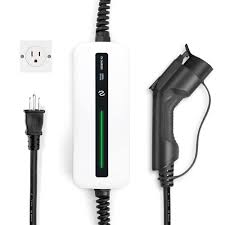
Level 1 Charger: Uses a standard 120V outlet and provides about 3-5 miles of range per hour. Ideal for overnight home charging, it’s slower but convenient without special installation.

Level 2 Charger: Requires a 240V outlet, providing 20-60 miles of range per hour, significantly faster than Level 1. It’s perfect for regular, faster home or commercial charging and often involves professional installation.

Level 3 (DC Fast Charger): Uses direct current and provides 100-200 miles in 20-30 minutes, suitable for quick, public charging on long trips.

What we offer as Certified Installers?

At Amor Energy, we offer professional EV charger installation services for both residential and commercial clients. Our certified team ensures seamless installation of both Level 2 and Level 3 chargers, handling everything from site assessments to ongoing maintenance. We customize each installation to meet your specific needs, ensuring safety, efficiency, and compliance with local regulations. Whether you’re looking to install a home charger or upgrade your business with EV infrastructure, we guarantee reliable, high-quality solutions for all your electric vehicle charging needs.

Rebates and Incentives

Moreover, we’re so thrilled that BC Hydro is making Home EV Charger more affordable and accessible for everyone with their EV Charger Rebate Program. Eligible homeowners can receive up to $350 towards the purchase and installation of a Level 2 Home Charger, with additional rebates for smart chargers, electrical upgrades or load management devices if needed. There are also rebates available for apartment buildings, small businesses, and indigenous communities, ensuring widespread access to clean energy solutions. This program, combined with other provincial incentives, makes switching to an electric vehicle and installing a home charger easier and more cost-effective than ever.

ev charger cost

Service Upgrade VS. Panel Upgrade: Understanding the Key Differences for EV Charger Installation

As electric vehicles become more popular, many homeowners are considering installing EV chargers at home. However, before installing a Level 2 home charger, it’s crucial to ensure your electrical system can handle the increased power demand. In some cases, this may require either a Service Upgrade or a Panel Upgrade. But what’s the difference between these two upgrades, and under what circumstances is each needed? Let’s break it down.

Service Upgrade

What is a Service Upgrade?

A Service Upgrade refers to increasing the total electrical power available to a home or building. This upgrade involves enhancing the amount of electricity that the utility company (like BC Hydro) provides to the property. It is often necessary when the overall electrical capacity of your home is insufficient to handle additional loads, such as an EV charger, new appliances, or home renovations.

Key Features of a Service Upgrade:

  • Increased total power supply: The most common type of service upgrade involves increasing the amperage (electrical capacity). For example, upgrading from 100amps to 200amps or 400amps, depending on personal needs.
  • Involves utility company: Service Upgrade usually requires the utility company to change the wiring between the power grid and your home, upgrading the service drop, and replacing the electrical meter.
  • Main breaker and meter upgrades: Service Upgrade requires main breaker upgrade to handle increased amperage.

When is a Service Upgrade Needed?

  • Installation of high-power appliances such as EV charger/AC/Solar System, while current electrical system doesn’t have enough available power/amperages.
  • Electrical infrastructure is outdated, and usually comes with frequent break tripping.
  • Home Renovation or additions needs electrical system upgrade for modern technology.

Why is a Service Upgrade Important?

The Service Upgrade is crucial as it ensures that the electrical system can safely and efficiently handle the increased load demands for high-power appliances and EV chargers. Without sufficient capacity, the electrical system could become overloaded, leading to safety hazards or inconsistent power supply.

Panel Upgrade

What is a Panel Upgrade?

A panel upgrade involves replacing or upgrading the electrical panel (aka breaker box) in your home or building. Electrical panel is the system that distributes electricity to various circuits in your property, and a panel upgrade doesn’t change the total amount of power coming into the home but rather enhances the internal distribution of the power.

Key Features of a Panel Upgrade:

  • Replacing the Electrical Panel (breaker box) with a newer model that can handle higher amperage or accommodate more circuits. For example, upgrading from a 100-amp panel to a 200-amp panel.
  • Adding more circuits: A panel upgrade allows for the addition of more circuits for installing new appliances or equipment (like an EV charger).
  • Upgrading outdated components: Older electrical panels may have outdated or insufficient circuit breakers, which can bring safety risks. A panel upgrade ensures that the system is up to code and safe to use.

When is a Panel Upgrade Needed?

  • Installation of an EV charger or Major Appliances may require additional circuits or a higher-capacity panel.
  • Frequent Breaker Tripping indicates that the panel is overloaded or outdated, making an upgrade necessary.
  • Old/Outdated Electrical Panels need to be upgraded to a modern panel to improve safety and reliability.

Why is a Panel Upgrade Important?

A panel upgrade is crucial to ensure that the electrical system can handle electrical demands safely and efficiently. Not only does it allow you to add new circuits for major appliances such as EV charger or AC, but it also prevents the risks of overloading.


Summary table of Service Upgrade vs. Panel Upgrade

Feature Service Upgrade Panel Upgrade
Usage/Purpose Increase the total power supply; needed when overall electrical capacity is insufficient. Improve the internal distribution of power; needed when panel is full or outdated (but the service is sufficient).
Amperage Increase Yes (e.g., 100A to 200A) No, the total power capacity is not increased.
Involvement of Utility Company Yes No
Cost More expensive due to the utility company involvement and permit application. Less expensive but still needs to hire a licensed electrician.


Which Upgrade Do You Need for Getting Your EV Charger Installed?

Before installing EV charger at home, it’s essential to consult with a licensed electrician to do a power analysis for your home’s electrical system. They will check the current service capacity and panel status and determine whether a service upgrade or a panel upgrade is needed to ensure your home is safe and ready to handle the additional electrical demand of an EV charger.

At Amor Energy, we specialize in installing EV chargers and providing professional guidance on necessary upgrades. Whether you need a service upgrade, panel upgrade, or simply a dedicated circuit for your new charger, our licensed electricians will handle the process seamlessly, ensuring a safe and compliant installation.

Level 1 Vs. Level 2 Vs. Level 3 Charging: Which Solution Best Tailors to Your Needs?

As Electrical Vehicles (EV) become more pervasive, understanding different types of charging options is crucial to ensure that EV owners can recharge their vehicles efficiently and conveniently. Whether you’re an EV owner looking for home charging or a business seeking for charging station investment, knowing the difference between Level 1, Level 2 and Level 3 charging solutions can help you make the best decision. Here’s an overview of each charging option and how they contribute to the convenience of life, followed by how Amor Energy Corporation can assist with both your residential and commercial EV charging needs.

Level 1 Charging: Accessibility at Your Fingertips

Level 1 charging is the most basic form of EV charging and uses a standard 120V outlet, which is the same kind of outlet we use everyday for household appliances.

Pros:

  • Convenience: Can basically charge anywhere
  • Low Cost: No extra equipment or installation cost
  • No Installation Required: Uses a standard 120V outlet, so no need for special equipment or installation

Cons:

  • Slow Charging Speed: Provide only 3~5 miles of range per hour of charging, which can take up to 24 hours to fully charge an EV with a larger battery.
  • Not ideal for Long-Distance Drivers: Inadequate for drivers who frequently need to recharge quickly or travel long distances.

Level 2 Charging: Fast and Efficient for Everyday Use

Level 2 charging uses a 240V outlet, the same as what you’d use for large appliances like a dryer or stove. This type of charging is significantly faster than Level 1 and is ideal for daily EV drivers who want to ensure their car is fully charged overnight to ensure the daily commute.

Pros:

  • Faster Charging Speed: Provides 20-60 miles of range per hour of charging, allowing most EVs to be fully charged in 4-8 hours
  • Convenient for Daily Drivers: Perfect for overnight home charging or quick top-ups during the day
  • Compatible with Most EVs: Works with a variety of EVs and is available for both home and commercial use

Cons:

  • Requires Installation: Needs a 240V outlet and may require an electrical panel upgrade, which increases installation costs


Level 3 Charging (DC Fast Charging): Power When You Need It the Most

Level 3 Charging, also known as DC Fast Charging, is the fastest option available and is typically found in public charging stations, commercial locations, and along highways. This type of charging uses direct current (DC) instead of alternating current (AC), allowing it to charge an EV’s battery at an impressive rate.

Pros:

  • Incredibly Fast Charging: Can charge an EV to 80% in as little as 20-40 minutes, providing 100-200 miles of range in under an hour.
  • Idea for Long-Distance Travel: Perfect for drivers on long road trips or for commercial fleets needing quickly turnaround times.
  • Public Availability: Typically found along highways, in commercial areas, or at public.

Cons:

  • Expensive equipment and Installation: Installation costs can range from $20,000 to $50,000, making it impractical for home use.
  • Potential Harm on Batteries: Frequent use can accelerate battery degradation due to the high power involved.

Summary Table for comparing Level 1/2/3 Charging Solutions

Feature Level 1 Charging Level 2 Charging Level 3 (DC Fast Charging)
Charging Speed 3~5 miles of range/hour 20~60 miles of range/hour 100~200 miles in 20~40 minutes
Installation Cost None Moderate Very High
Target EV drivers Low-mileage drivers Daily drivers, home or business use Long-distance travel, commercial
Disadvantages Very Slow Charging Speed Requires Installation and Setup Expensive, potential harm to battery

Choosing the right EV charging solution – whether it’s Level 1, Level 2, or Level 3 – depends on your driving habits and needs. Each type of charging offers unique benefits that make life easier for both homeowners and businesses. With Amor Energy Corporation as your trusted installation partner, you can confidently embrace the future of electric mobility with a charging system that specifically tailors to your needs.

Best EV Chargers in North America for 2024: A Comprehensive Guide

With the continuous and rapid adoption of electric vehicle (EV) in North America, the need for reliable, efficient, and fast home EV chargers is more crucial than ever. There are numerous options of brands and models available on the market, thus, it can be overwhelming to choose the right charger that best suits the needs. In this blog, we will explore the most popular EV chargers available in North America, focusing on features like charging speed, smart technology, ease of use, and compatibility with EV models. Let’s dive into the best options to keep your EV fully charged and ready for the road hassle-free.

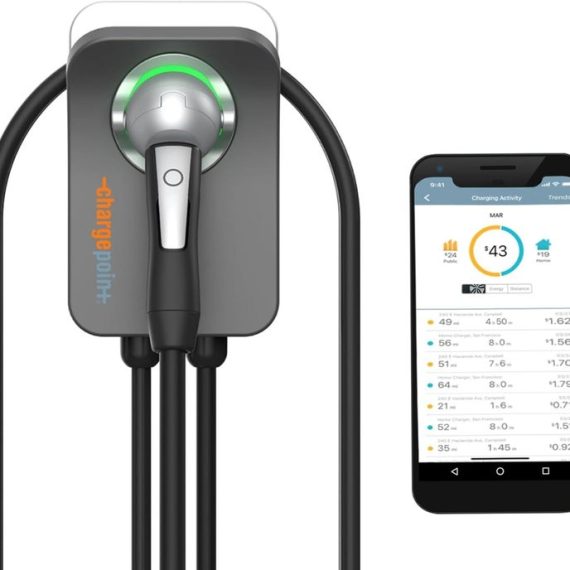
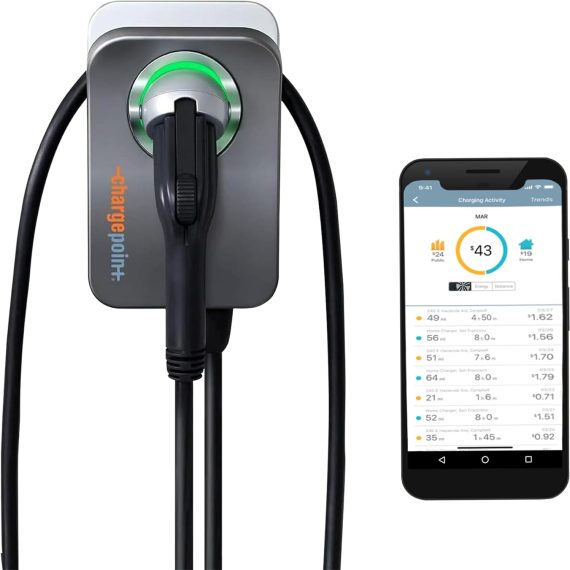
1.ChargePoint Home Flex 

Overview: ChargePoint is one of the most well-known names in EV charging field, and their Home Flex model offers unparalleled flexibility and smart features.

  • Charging Speed: The ChargePoint Home Flex can deliver up to 50 amps of power, making it one of the fastest home chargers on the market. It allows you to adjust the amperage from 16 to 50 amps based on your home’s electrical capacity.
  • Smart Features: This charger is equipped with Wi-Fi connectivity and can be controlled via the ChargePoint app, which lets you schedule charging, track energy usage, and even integrate with Alexa.
  • Installation: Suitable for both indoor and outdoor installation, it offers flexibility in setup.
  • Compatibility: Compatible with all EVs in North America, including Tesla (via an adapter).

Why It’s a Top Choice: The ChargePoint Home Flex is the go-to option for those who want a reliable, fast, and smart charger with an easy-to-use app.

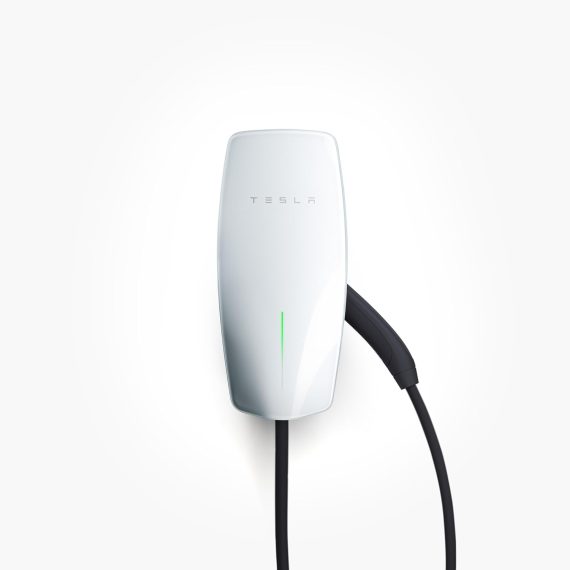
2.Tesla Wall Connector

Overview: Specifically designed for Tesla owners, the Tesla Wall Connector is a powerful and stylish solution for home charging.

  • Charging Speed: With a power output of up to 48 amps, the Tesla Wall Connector can add up to 44 miles of range per hour for Tesla vehicles.
  • Smart Features: While it lacks the advanced app-based features found in some other chargers, the Wall Connector integrates seamlessly with Tesla’s in-car systems and automatically adjusts the charging power for optimal efficiency.
  • Installation: Ideal for both indoor and outdoor setups, and it comes with a long 24-foot cable for flexibility in parking positions.
  • Compatibility: Specifically designed for Tesla vehicles, but can also charge other EVs with a J1772 adapter.

Why It’s a Top Choice: If you own a Tesla, the Wall Connector is the best choice for rapid and optimized home charging.

3.JuiceBox 40 Smart EV Charger

Overview: JuiceBox is known for its high-performance chargers that combine smart technology with fast charging.

  • Charging Speed: The JuiceBox 40 offers 40 amps of charging power, capable of adding about 30 miles of range per hour.
  • Smart Features: This charger is equipped with Wi-Fi, allowing you to control it remotely through the JuiceNet app. You can monitor charging sessions, set charging schedules, and track energy usage. It also works with Alexa and Google Home for voice control.
  • Installation: The charger is rugged and waterproof, making it suitable for outdoor installation. It also has a 25-foot cable for added convenience.
  • Compatibility: Compatible with all North American EVs and works with Tesla vehicles via an adapter.

Why It’s a Top Choice: With a blend of smart features and reliable performance, the JuiceBox 40 is perfect for tech-savvy EV owners who want more control over their charging.

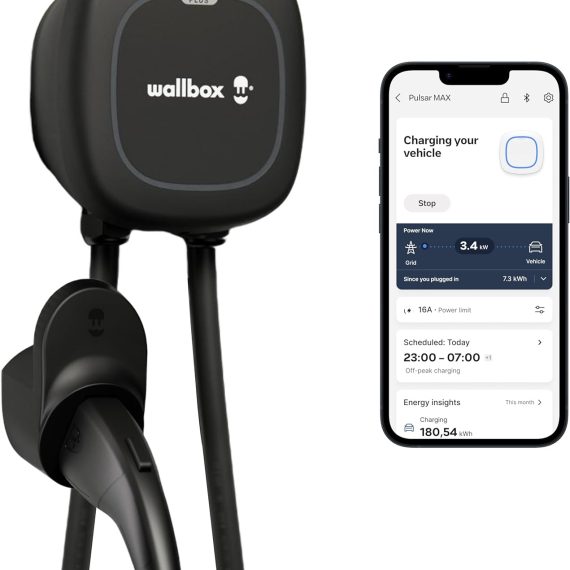
4.Wallbox Pulsar Plus

Overview: Wallbox Pulsar Plus is one of the most compact and powerful home chargers available, making it ideal for users who want a sleek design without compromising on performance.

  • Charging Speed: It offers up to 40 amps of power, allowing for rapid charging at home, adding up to 30 miles of range per hour.
  • Smart Features: The Pulsar Plus is equipped with Wi-Fi and Bluetooth, and users can manage their charging sessions through the myWallbox app, which offers real-time monitoring, scheduling, and notifications.
  • Installation: Suitable for both indoor and outdoor use, it comes with an integrated cable management system and a 25-foot cable.
  • Compatibility: Works with all major EV brands in North America, and can charge Tesla vehicles using an adapter.

Why It’s a Top Choice: Its small size, coupled with powerful performance and smart features, make the Wallbox Pulsar Plus a great option for homeowners with limited space.

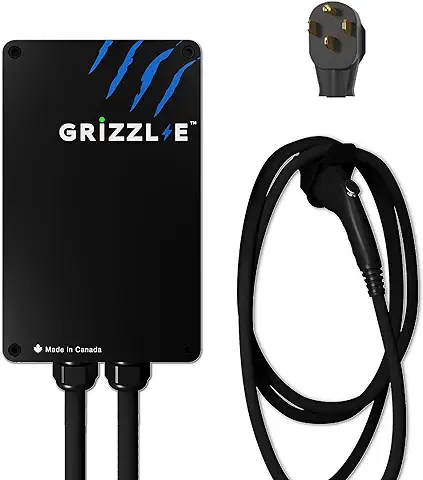
5.Grizzl-E Classic Level 2 Charger

Overview: The Grizzl-E Classic is a tough, affordable, and highly capable EV charger designed for those who value durability and performance over smart features.

  • Charging Speed: This charger can deliver up to 40 amps, providing a fast charging experience without the need for Wi-Fi or app connectivity.
  • Durability: Built to withstand harsh weather conditions, the Grizzl-E Classic is an ideal choice for outdoor installations in areas with extreme climates.
  • Installation: Easy to install and designed to be mounted indoors or outdoors, it comes with a 24-foot cable.
  • Compatibility: Compatible with all North American EVs, including Tesla (with an adapter).

Why It’s a Top Choice: If you’re looking for a budget-friendly, durable, and high-power charger without the extra smart features, the Grizzl-E Classic is a great pick.

Conclusion

Choosing the right EV charger depends on your specific needs, budget, and vehicle type. For example, if you’re a Tesla owner, the Tesla Wall Connector is obviously the ideal choice for its seamless integration. For those looking for flexibility, smart features, and the charging speed, the ChargePoint Home Flex or JuiceBox 40 are options to consider about.

With any of these top options, you can feel confident that your EV will always be charged with minimal worries and ready for your next adventure.