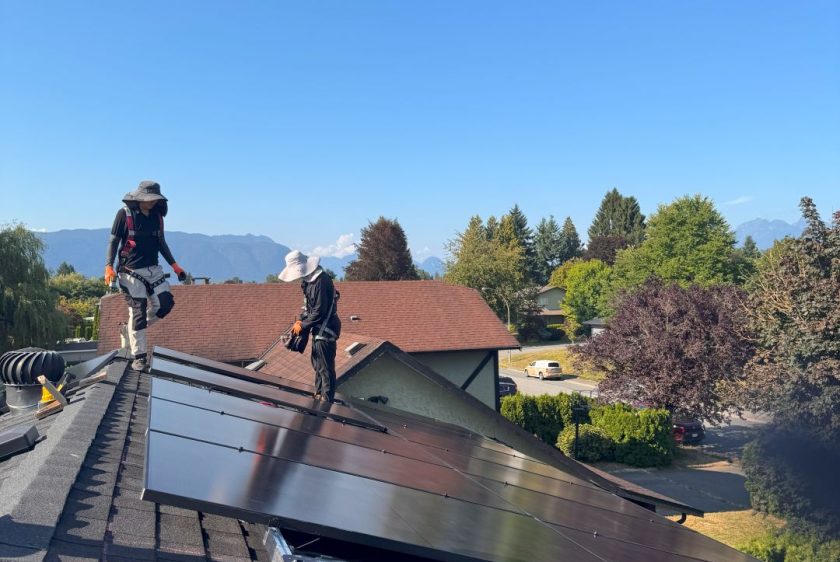
Is Solar Energy Worth It in Vancouver? What Homeowners Should Know in 2026

As energy costs continue to rise across British Columbia, more Vancouver homeowners are exploring solar energy as a long-term investment in sustainability, energy efficiency, and cost reduction.

One of the most common questions we hear is:

“Is solar actually worth it in Vancouver’s climate?”

Despite the region’s reputation for cloudy weather, solar energy systems can perform surprisingly well throughout the Lower Mainland. Advances in solar technology, combined with BC Hydro’s net metering program, have made residential solar more practical and financially beneficial than ever before.


Solar Panels Perform Efficiently in Vancouver’s Climate

A common misconception is that solar panels require constant sunshine or hot temperatures to generate electricity. In reality, solar systems produce energy from daylight rather than heat, allowing them to remain effective even during overcast conditions.

Modern high-efficiency solar panels are specifically designed to maximize energy production in a variety of climates, including regions like Vancouver. While production levels naturally vary seasonally, many homeowners are still able to offset a meaningful portion of their annual electricity usage.


Reducing Long-Term Electricity Costs

With utility rates expected to continue increasing over time, many homeowners are seeking ways to improve energy independence and reduce monthly expenses.

A professionally designed solar energy system may help homeowners:

  • Lower monthly BC Hydro costs
  • Reduce reliance on the electrical grid
  • Protect against future energy price increases
  • Improve overall home efficiency
  • Support long-term sustainability goals

Because solar panels typically have a lifespan of 25 years or more, many homeowners view solar as a long-term investment rather than a short-term expense.


Understanding BC Hydro Net Metering

One of the key advantages of installing solar panels in British Columbia is access to BC Hydro’s net metering program.

Net metering allows homeowners to export excess solar energy back to the electrical grid in exchange for energy credits. These credits can then help offset electricity usage during evenings, winter months, or periods of lower solar production.

This system helps maximize the overall value and efficiency of residential solar installations throughout the year.


Solar Energy and Property Value

As sustainable living becomes increasingly important to Canadian homeowners, energy-efficient upgrades are often viewed as valuable property improvements.

A professionally installed solar system may contribute to:

  • Reduced long-term operating costs
  • Increased buyer interest
  • Enhanced energy efficiency
  • Improved property appeal in a growing clean-energy market

For many homeowners, solar is not only an environmental decision but also a strategic investment in their property’s future value.


Is Your Home Suitable for Solar?

Every property is unique, but homes that are often well suited for solar installations typically include:

  • South-facing or west-facing roof exposure
  • Minimal shading from surrounding trees or structures
  • Adequate roof condition and available space
  • Consistent household electricity usage

A professional site assessment can help determine the ideal system size and expected energy production for your specific property.


Explore Solar Solutions with Amor Energy

At Amor Energy, we provide customized solar energy solutions for homeowners and businesses across Vancouver and the Lower Mainland.

Our team works closely with clients to design systems that align with their property, energy usage, and long-term goals — helping make the transition to clean energy simple, efficient, and reliable.

If you are considering solar for your home or commercial property, we would be happy to help you explore your options.

Accessing BC’s Home Energy Rebates: The Importance of Working with an HPSC-Certified Contractor

Your Guide to BC’s Home Energy Rebates: Working with an HPSC-Certified Contractor

If you’re a homeowner in British Columbia considering upgrades like an electric vehicle charger, solar panels, or a home battery system, you’ve likely heard about provincial rebate programs that can help offset the cost. But navigating the requirements can be confusing.

A critical question often arises: “Why do I need to use a specific contractor to qualify for these rebates?”

The answer lies in understanding the Home Performance Contractor Network (HPCN) and the standards set by the Home Performance Stakeholder Council (HPSC).

The Standard for Quality: HPSC Certification and the HPCN

Let’s break down what these mean for your project.

  • HPSC (Home Performance Stakeholder Council): This is the independent, non-profit body that administers the Home Performance Contractor Network (HPCN). HPSC sets the industry standards for quality and energy performance.

  • HPCN (Home Performance Contractor Network): This is the official network that homeowners must use for various provincial rebate programs. To become an HPCN contractor, a company must achieve HPSC certification, proving their technical expertise and commitment to quality installations.

In simple terms: HPSC certification is the qualification that allows a contractor to join the HPCN network, which is your gateway to government rebates.

This system is a vital consumer protection measure. It ensures that the contractors installing complex energy systems in your home are qualified to do the job correctly and efficiently.

The Mandatory Future of Rebates: HPSC Certification is Essential

The link between working with an HPCN contractor and rebate access is about to become absolute.

Here is the essential information:

Currently, using an HPCN contractor is a standard requirement for most rebate programs. However, starting in 2026, this requirement will be strictly enforced.

What does this mean for you?

  • If you plan to apply for a government rebate after 2026, your application will only be accepted if the work was performed by an HPSC-certified contractor within the HPCN.

  • Choosing a contractor who is not part of the HPCN after this deadline will make your project ineligible for financial assistance.

This policy reinforces the government’s commitment to ensuring public funds support high-quality, effective upgrades that deliver real energy savings.

Amor Energy: Your HPSC-Certified Contractor in Vancouver

We are proud to be an HPSC-certified contractor and part of the Home Performance Contractor Network (HPCN).

Our HPSC certification means we have met the rigorous standards required to perform rebate-eligible work. When you choose Amor Energy, you are choosing a contractor recognized for their expertise and commitment to quality in the home performance industry.

By working with us, you receive:

  1. Assured Rebate Eligibility: Your installation will meet a key requirement for provincial rebate programs. We handle the necessary documentation to support your application.

  2. Quality Assurance: Our work adheres to industry standards, ensuring your EV charger, solar panel system, or home battery is installed safely and effectively.

  3. A Streamlined Process: From consultation to rebate submission, we guide you through each step of your home energy upgrade.

What This Means for Your Home Upgrade Projects

Whether you are planning to install:

  • A Level 2 EV Charger

  • A Solar Panel Array

  • A Home Battery Storage System

…working with an HPSC-certified contractor like Amor Energy is essential for a successful project and accessing available rebates.

Ready to Upgrade with Confidence?

With the 2026 deadline approaching, now is the time to plan your upgrade with a certified professional. Choosing Amor Energy, an HPSC-certified contractor, ensures your project aligns with current and future program requirements.

Contact Amor Energy today for a free, no-obligation assessment. Discover how much you can save with government rebates and get a quote from your local Vancouver HPSC-certified contractor.

[Click Here to Contact Amor Energy]