
Canada’s energy system is changing.
Electricity demand is expected to grow as transportation, buildings and other sectors become increasingly electrified. At the same time, Canada is investing in renewable energy and new technologies designed to make the electricity system more flexible and resilient.
One technology is becoming increasingly important:
Battery energy storage.
Battery Storage Is Moving Into the Mainstream
Battery storage is no longer limited to small residential systems.
In July 2026, BC Hydro launched the procurement process for British Columbia’s first major grid-scale battery energy storage system on Vancouver Island.
The project is expected to provide at least 100 MW of battery storage capacity, while BC Hydro has identified the potential need for as much as 500 MW of battery storage capacity across B.C. to support growing electricity demand and system reliability.
The development is part of a larger Canadian trend.
On September 16, 2026, the Government of Canada announced the inauguration of three large battery energy storage facilities in Nova Scotia.
Each facility provides 50 MW of power and 200 MWh of storage capacity. Together, the projects are designed to support electricity reliability, meet growing demand and enable greater integration of renewable energy.
Why Does Energy Storage Matter?
Solar and wind generation can vary depending on weather and time of day.
Battery storage provides a way to store electricity and make it available later.
At the grid level, batteries can help:
- Support peak electricity demand
- Improve grid flexibility
- Respond quickly to changes in electricity demand
- Support renewable energy integration
- Strengthen system reliability
BC Hydro describes battery storage as a flexible resource that can store electricity when supply is available and discharge it when demand is higher.
What Does This Mean for Homeowners?
The same concept applies at a smaller scale.
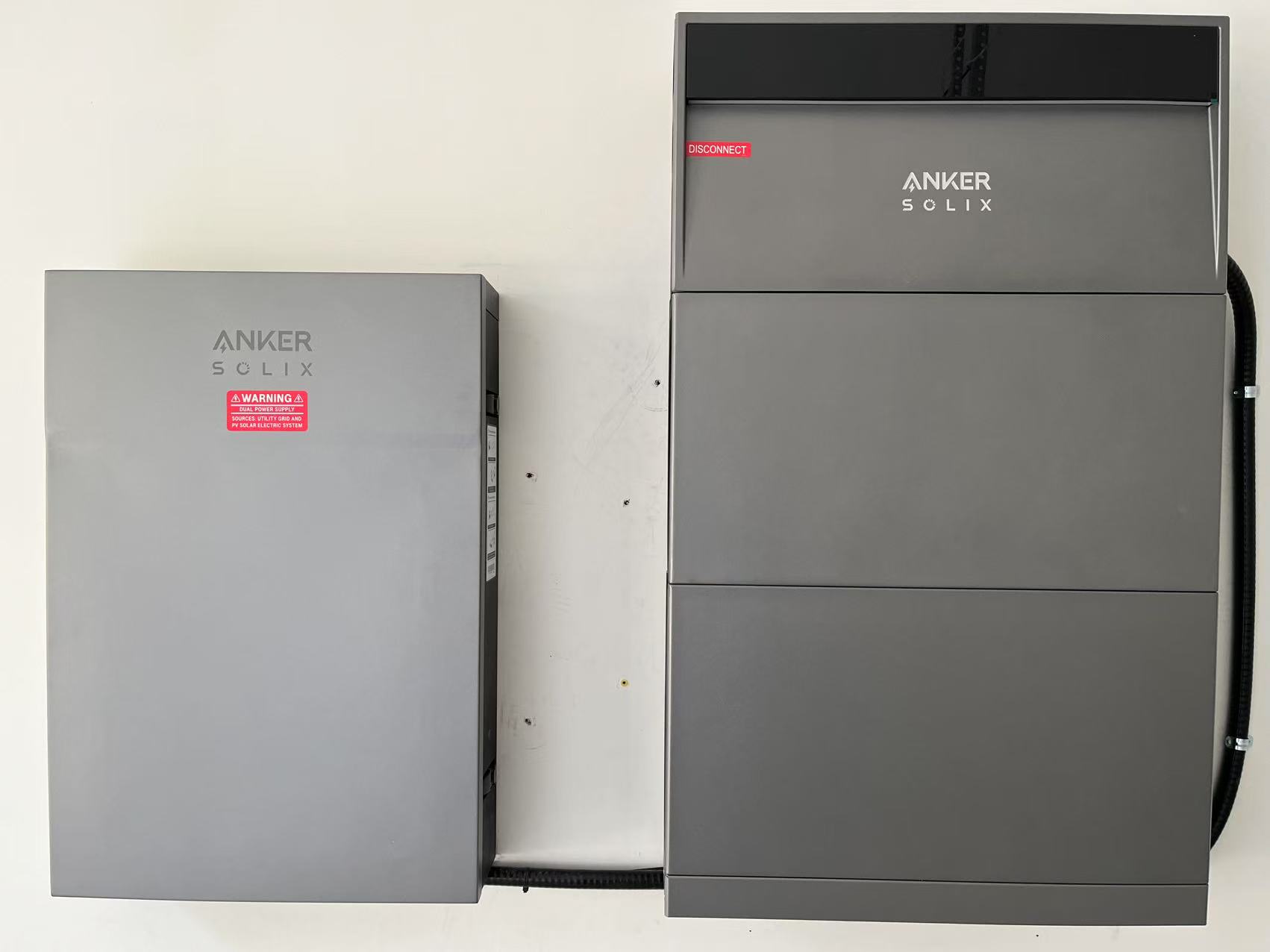
A residential battery can store electricity for later use, depending on how the system is configured and operated.
For homeowners considering solar, battery storage can therefore become part of a broader energy strategy.
Instead of thinking about:
Solar panels
as a standalone installation, homeowners can consider:
Solar + Storage + EV Charging + Electrical Infrastructure
as connected parts of their home’s energy system.
Solar and Battery Storage Can Work Together
Solar panels generate electricity when sunlight is available.
Battery storage can store electricity for later use.
This can give homeowners additional flexibility in how electricity generated by their solar system is used.
However, the right system depends on the property.
Important factors include:
- Household electricity consumption
- Solar system size
- Roof space
- Electrical service capacity
- Battery capacity
- EV charging requirements
- Future electricity demand
- Utility requirements
There is no single system size that works for every home.
B.C. Homeowners Should Also Understand Current Incentives
BC Hydro currently offers rebates for eligible solar photovoltaic systems and battery energy storage systems.
According to BC Hydro’s current program information, eligible solar PV systems can receive a rebate of $1,000 per kW of installed DC capacity, up to the applicable program limits. Eligible battery systems may also qualify for rebates depending on how the system is configured and whether it participates in programs such as Peak Saver.
Program requirements can change, so homeowners should confirm current eligibility and requirements before making a purchasing decision.
Energy Storage Is Also Becoming More Relevant for EV Owners
EV charging can significantly increase a home’s electricity consumption.
For homeowners who are considering both solar and an EV charger, it can be useful to evaluate these systems together.
For example:
Solar
Generates electricity.
Battery
Stores electricity.
EV Charger
Uses electricity to charge an electric vehicle.
Electrical Infrastructure
Connects and manages these systems within the property.
Thinking about these components together can help homeowners make better long-term energy planning decisions.
Canada’s Electricity Demand Is Expected to Grow
The Canada Energy Regulator’s 2026 analysis shows electricity demand increasing in all of its modeled scenarios through 2050.
In its Canada Net-zero scenario, installed electricity capacity reaches approximately 400 GW by 2050, compared with around 160 GW in 2023. The analysis also includes significant additions of solar and battery storage capacity.
This does not mean every homeowner needs a battery.
Instead, it highlights a broader trend:
Electricity infrastructure is becoming increasingly important to Canada’s future energy system.
The Future of Energy Is More Connected
Solar, battery storage and EV charging are often discussed as separate technologies.
Increasingly, they are becoming parts of the same energy conversation.
For homeowners and businesses, the important question is not simply:
“What technology should I install?”
It is:
“How should my energy system work together?”
At Amor Energy, we provide solar installation, EV charger installation and energy solutions for residential and commercial properties across British Columbia.
Our approach is focused on understanding the property, electrical infrastructure and future energy needs before recommending a solution.
The future of energy is not just about generating more power. It is also about using, storing and managing it more intelligently.