china ev

Canada’s EV Market Is Changing: What the China EV Import Quota Means in 2026

Canada’s electric vehicle market is entering a new stage.

In 2026, Canada changed its import framework for electric vehicles originating from China, replacing the previous 100% surtax with a country-specific annual quota.

The policy has implications not only for automakers and vehicle pricing, but also for the broader EV ecosystem — including charging infrastructure.

What Changed in Canada’s EV Import Policy?

As part of a preliminary joint arrangement between Canada and China, Canada established an annual quota for electric vehicles originating from China.

The first-year quota is 49,000 vehicles.

Canada’s government has stated that the quota will increase by 6.5% annually.

Under the arrangement, eligible Chinese EV imports are subject to Canada’s most-favoured-nation tariff rate of 6.1%, replacing the previous 100% surtax that applied to Chinese EVs.

The 49,000-vehicle quota represents less than 3% of Canada’s new vehicle market and is intended to restore import volumes to levels seen before the 100% surtax took effect in October 2024.

Why Does the China EV Quota Matter?

The policy could influence the range of EVs available in Canada.

A larger potential import channel may give manufacturers additional opportunities to introduce or expand EV models in the Canadian market.

For consumers, that could mean more vehicle choices over time.

However, the quota itself does not guarantee that 49,000 vehicles will enter Canada.

Actual imports depend on manufacturers, demand, supply chains, logistics and the administration of the quota.

The First Six Months Have Already Passed

The quota was initially implemented on March 1, 2026, using a first-come, first-served system for the first six-month period.

The Government of Canada subsequently consulted stakeholders on how the quota should be allocated and administered over the longer term, with the consultation running from April 7 to May 1.

The first period has now ended, and the quota framework has moved into its next stage beginning September 1.

This means the discussion is no longer simply about whether Chinese EVs can enter Canada.

It is increasingly about how the Canadian EV market will evolve as different manufacturers compete for market access.

More EV Choices Also Raise an Infrastructure Question

For the energy sector, one of the most important questions is:

What happens to charging demand if EV adoption continues to grow?

Every additional EV requires access to charging.

That charging may happen:

  • At home
  • At workplaces
  • At commercial properties
  • At municipal facilities
  • At public charging stations
  • At fleet depots

This creates a direct connection between Canada’s vehicle market and its electricity infrastructure.

EV Growth and Charging Infrastructure Go Hand in Hand

Canada is already investing heavily in charging infrastructure.

In July 2026, the federal government announced approximately $11 million for 23 EV infrastructure and education projects, including funding for nearly 400 new chargers through nine projects.

British Columbia is also expanding its charging network.

BC Hydro reported more than 230,000 EVs on B.C. roads and has continued expanding its public charging network and smart-charging initiatives.

This means the growth of EV availability and the growth of charging infrastructure are increasingly connected.

What Does This Mean for Homeowners?

For a homeowner considering an EV, the import policy is only one part of the decision.

The more practical question may be:

How will you charge your vehicle?

A home Level 2 charger can provide a convenient charging option, but installation requirements depend on the property’s electrical system.

Homeowners should consider:

  • Existing electrical capacity
  • Charger power requirements
  • Daily driving habits
  • Installation location
  • Future EV ownership
  • Potential solar installation
  • Future electricity demand

What Does This Mean for Businesses?

Businesses may face a different set of considerations.

If a company is moving toward an electric fleet, installing several chargers can create significant additional electrical demand.

Commercial charging projects may therefore require:

Electrical assessment → Charger selection → Load planning → Installation → Future expansion

Planning the system before installation can help businesses understand what their current infrastructure can support and what upgrades may be required.

The EV Market Is Only One Part of the Bigger Energy Transition

Canada’s EV policy is ultimately connected to a much larger shift toward electrification.

As transportation becomes increasingly electric, electricity infrastructure becomes increasingly important.

EV chargers, solar systems, battery storage and electrical infrastructure are all becoming interconnected parts of the energy landscape.

For consumers and businesses, this means energy planning is becoming less about one individual product and more about how different systems work together.

What Should Canadians Watch Next?

The Canadian EV market will continue to evolve as the new import framework develops.

Important factors to watch include:

  • EV model availability
  • Vehicle pricing
  • Manufacturer participation
  • Charging infrastructure expansion
  • Electricity demand
  • Smart charging technology
  • Future government policy

The impact of the China EV quota will ultimately depend on how manufacturers, consumers and infrastructure providers respond to the changing market.

Building the Infrastructure Behind EV Adoption

More EV options are only useful if Canadians have practical ways to charge them.

At Amor Energy, we provide EV charger installation and electrical planning solutions for residential, commercial and municipal projects across British Columbia.

From a single home Level 2 charger to larger multi-charger installations, our focus is on building charging infrastructure around the property’s current and future energy needs.

As Canada’s EV market evolves, the infrastructure behind it needs to evolve too.
Building a More EV-Ready British Columbia Read more “Canada’s EV Market Is Changing: What the China EV Import Quota Means in 2026”

ev charging

Canada’s EV Transition Is Accelerating: What It Means for EV Charging in 2026

Electric vehicles are becoming an increasingly visible part of Canada’s transportation and energy landscape.

But as more Canadians make the switch to electric vehicles, the conversation is moving beyond the vehicles themselves.

The next question is infrastructure:

How will Canada charge all of these EVs?

Canada Is Continuing to Expand EV Charging Infrastructure

Canada’s EV transition is being supported by continued investment in charging infrastructure.

In July 2026, the Government of Canada announced approximately $11 million in funding for 23 electric vehicle infrastructure and education projects across the country. The funding includes nearly $9 million to install close to 400 EV chargers through nine projects.

The expansion is also visible in British Columbia.

BC Hydro surpassed 900 public EV charging ports across B.C. earlier this year and continues to expand its fast-charging network. In August, BC Hydro opened its first fast-charge site in the Southern Gulf Islands on Salt Spring Island.

These developments reflect a broader trend: EV adoption requires charging infrastructure to grow alongside it.

B.C. Already Has More Than 230,000 EVs

According to BC Hydro, more than 230,000 electric vehicles were already on B.C. roads in 2026.

At the same time, BC Hydro is exploring smarter ways to manage when EVs charge.

Through its Power Smart 2.0 initiative, BC Hydro is working to expand smart charging so EV charging can be shifted toward periods when electricity demand is lower.

This is an important development because EV charging is not only a transportation issue.

It is also an electricity-management issue.

Home EV Charging Is Becoming Part of Everyday Energy Planning

For many EV owners, home charging is the most convenient way to keep a vehicle charged.

A Level 2 EV charger can make overnight charging part of a normal daily routine.

However, homeowners should consider more than the charger itself.

Before installation, it is important to understand:

  • Existing electrical service capacity
  • Electrical panel capacity
  • Charger power requirements
  • Installation location
  • Cable routing
  • Current household electricity consumption
  • Future EV ownership
  • Potential solar or battery installations

An EV charger becomes part of the property’s electrical system, so proper planning matters.

Businesses Face a Different Charging Challenge

For businesses, EV charging can involve a much larger infrastructure requirement.

A commercial property may need charging for:

  • Employee vehicles
  • Customer or visitor vehicles
  • Company vehicles
  • Electric fleets
  • Multiple EVs operating throughout the day

Installing multiple chargers can create additional electrical demand.

This is where electrical planning becomes particularly important.

A business may need to evaluate current electrical capacity while also considering how many chargers it may need in the future.

From One Charger to Larger EV Infrastructure

The growth of EV charging is not limited to residential properties.

Municipalities, commercial properties and fleet operators are also planning larger charging installations.

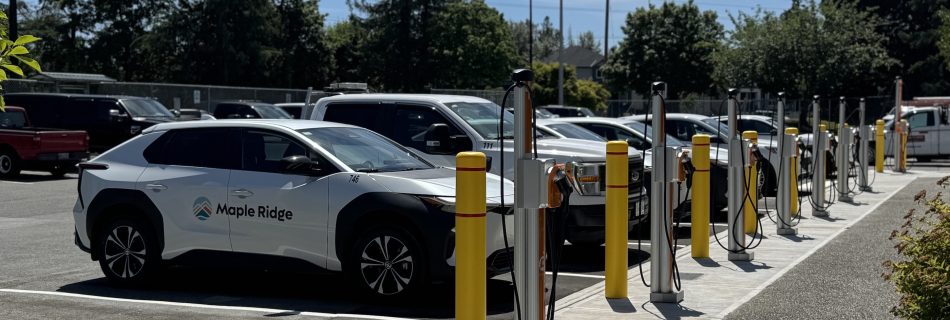
For example, Amor Energy is supporting the City of Maple Ridge with a municipal EV charging infrastructure project involving 18 ChargePoint Level 2 EV chargers.

Projects like this demonstrate how EV charging can scale from a single residential charger to multi-charger infrastructure requiring detailed planning and coordination.

Smart Charging May Become More Important

As the number of EVs increases, managing when vehicles charge could become increasingly important.

Smart charging can help shift charging toward periods when electricity demand is lower.

For homeowners, this may simply mean charging overnight.

For businesses and larger sites, however, charging management can become a more significant part of energy planning.

The future of EV charging may therefore involve not only:

More chargers

but also:

Smarter charging.

What Should You Consider Before Installing an EV Charger?

If you are considering an EV charger for your home or business, start with five questions:

1. What type of charger do you need?

Your vehicle and daily driving habits can help determine the appropriate charging solution.

2. Can your electrical system support it?

An electrical assessment can help identify whether your existing system has sufficient capacity.

3. Are you planning for more EVs?

If you may add another EV or additional chargers in the future, planning ahead can reduce the need for major upgrades later.

4. Are you considering solar?

Solar can become part of a broader home energy strategy, particularly for homeowners who are increasing their electricity consumption through EV charging.

5. Do you need smart charging?

For properties with multiple EVs, charging management may become an important consideration.

EVs Are Changing More Than Transportation

Canada’s EV transition is creating a broader change in how transportation and electricity infrastructure interact.

More EVs mean more demand for charging.

More charging means more consideration of electrical capacity.

And as charging networks expand, smart energy management may become increasingly important.

At Amor Energy, we provide EV charger installation and electrical planning solutions for residential, commercial and municipal applications across British Columbia.

Whether you are installing one home charger or planning a larger charging project, the right solution starts with understanding your property’s current and future energy needs.

The future of transportation is electric. The infrastructure behind it needs to be ready.


Building a More EV-Ready British Columbia

Projects like the City of Maple Ridge installation are one example of how organizations across British Columbia can incorporate EV charging into existing facilities.

At Amor Energy, we work with residential, commercial, and municipal clients to develop EV charging solutions based on their property’s electrical infrastructure and operational needs.

From initial planning and electrical assessment to installation and commissioning, our team supports projects of different sizes and levels of complexity.

Planning an EV charging project for your municipality, workplace, or commercial property?

Contact Amor Energy to discuss your project and explore the right charging solution for your facility.

ev charging

Why Municipal EV Charging Infrastructure Matters: Lessons from the City of Maple Ridge

As electric vehicles become more common across British Columbia, the need for convenient and reliable EV charging infrastructure continues to grow.

While much of the conversation around EV charging focuses on public charging stations and residential chargers, municipal and workplace charging infrastructure also plays an important role.

Municipal facilities need to prepare for an increasingly electrified transportation environment—not only for their own vehicles and operations, but also for employees, contractors, and visitors who drive EVs.

A recent project completed by Amor Energy for the City of Maple Ridge provides an example of how organizations can take steps toward becoming more EV-ready.


What Is Municipal EV Charging Infrastructure?

Municipal EV charging infrastructure refers to EV charging equipment installed at facilities operated or managed by a municipality.

Unlike public charging stations that are primarily designed for general public access, municipal charging infrastructure can be used to support:

  • Municipal vehicles and operations
  • Employees
  • Visitors
  • Facility users
  • Other authorized drivers

The specific use of the charging stations depends on the municipality and the facility’s operational requirements.


City of Maple Ridge EV Charging Project

Amor Energy was selected to install 18 ChargePoint Level 2 EV chargers for the City of Maple Ridge in British Columbia.

Project at a Glance

Project Detail Information
Client City of Maple Ridge
Location Maple Ridge, BC
Project Type Municipal EV Charging Infrastructure
Charging Equipment ChargePoint Level 2
Number of Chargers 18
Project Duration September 2026 – June 2027

The project was designed to provide convenient EV charging access for municipal operations and visitors, helping the City’s facilities become better prepared for the continued adoption of electric vehicles.


Why Level 2 Chargers Are a Practical Choice

For many workplaces and municipal facilities, vehicles remain parked for several hours at a time.

This makes Level 2 charging a practical option.

Instead of requiring a vehicle to make a separate trip to a fast-charging location, an EV can charge while it is already parked at a workplace or municipal facility.

This can make EV charging easier to integrate into an organization’s daily operations.


What Goes Into a Multi-Charger Installation?

Installing 18 EV chargers is significantly different from installing a single residential charger.

A multi-charger project requires careful consideration of the property’s electrical infrastructure and the charging requirements.

Depending on the project, important considerations can include:

1. Electrical Capacity

The existing electrical infrastructure needs to be evaluated to determine whether it can support the planned charging equipment.

2. Charger Placement

The location of each charger needs to be considered based on parking layout, accessibility, cable routing, and the existing electrical infrastructure.

3. Electrical Infrastructure

Installing multiple chargers can require additional electrical work, including conduit, wiring, distribution equipment, and related infrastructure.

4. Safety and Compliance

Professional installation and appropriate electrical protection are essential for creating a safe and reliable charging system.

5. Testing and Commissioning

Before the project is completed, the charging equipment and associated electrical systems need to be tested to ensure the installation is operating as intended.


More Than Just EV Chargers

The Maple Ridge project demonstrates an important point about EV infrastructure:

EV charging is becoming part of the infrastructure of modern workplaces and municipal facilities.

For organizations planning ahead, installing EV chargers can be part of a broader strategy to prepare facilities for changing transportation needs.

As EV adoption continues to increase, having charging infrastructure already in place can make it easier for organizations to support employees, visitors, and operational vehicles that rely on electric transportation.


Building a More EV-Ready British Columbia

Projects like the City of Maple Ridge installation are one example of how organizations across British Columbia can incorporate EV charging into existing facilities.

At Amor Energy, we work with residential, commercial, and municipal clients to develop EV charging solutions based on their property’s electrical infrastructure and operational needs.

From initial planning and electrical assessment to installation and commissioning, our team supports projects of different sizes and levels of complexity.

Planning an EV charging project for your municipality, workplace, or commercial property?

Contact Amor Energy to discuss your project and explore the right charging solution for your facility.

6 Reasons Why Business Should Invest in EV Charging Station

Investing in EV charging stations is becoming an increasingly smart move for business, with benefits that extend beyond immediate profits. Here’re 6 major reasons why business should consider investing in EV charging stations.

1.Attract and Retain Customers

As the number of EV drivers grows, having an on-site charging station can attract EV drivers to your location. Businesses that provide EV chargers can bring in new customers, as they tend to spend time (and often more money) at places where they can charge their vehicles during their stay. As a result, while customers wait for their vehicles to charge, they are likely to explore nearby stores, dine in restaurants, or browse other services, leading to increased spending at the location.

Besides, once customers know that your location has charging stations, they’re likely to come back in the future, which drives customer loyalty.

2.Enhance Brand Image and Reputation

Establishing an EV charging infrastructure signals a commitment to sustainability and a greener future, which resonates with environmentally conscious consumers. A business that is known for supporting green initiatives often enhances its reputation, appealing to both consumers and employees who value sustainability.

3.Increase Employee Satisfaction and Retention

Offering EV charging stations at the workplace can be a valuable bonus for employees who are also EV drivers. This convenience can contribute to employee satisfaction, help reduce turnover, and position your company as a forward-thinking, environmentally responsible employer.

4.Extra Revenue Stream

Many businesses charge a fee for using EV chargers, creating an additional revenue stream. Depending on demand, companies can set charging fees to offset installation and maintenance costs or even generate profits.

Besides, charging stations encourage EV drivers to stay longer, which is associated with a higher chance to spend money at nearby shops or restaurants. This indirect revenue, generated from increased customer dwell time, can benefit retail business, malls, and dining establishments significantly.

Moreover, for commercial property owners, investing in EV charging stations can enhance property value and attract more tenants who have a need for charging their EV or someone who value sustainability.

5.Take Advantage of Incentives and Rebates

In BC, BC Hydro offers rebates and incentives for business to install EV charging stations. These incentives can significantly reduce installation costs, making it more affordable to invest in EV charging infrastructure.

According to BC Hydro, business can apply for up to 50% of the cost for a level 2 charger installation, up to $2,000 per charger, and up to a total of $14,000 per commercial building.

6.Align with Corporate Social Responsibility Principles

By investing in EV charging infrastructure, businesses can actively promote sustainable transportation and support the transition to electric vehicles, which directly contributes to reducing greenhouse gas emissions. The presence of accessible EV charging stations enables more people to switch to EVs with the confidence of reliable charging options, ultimately lowering dependence on fossil fuels. Additionally, businesses that invest in EV charging infrastructure demonstrate a commitment to meeting environmental goals, which aligns with corporate social responsibility (CSR) principles.

Conclusion

Overall, investing in EV charging infrastructure proactively enhances a business’s reputation and creates new opportunities on the long run. Not only does it help with achieving environmental goals, but it also enables customer attraction & retention and leads to revenue generation. As EV becomes mainstream, businesses with EV charging stations are likely to see both direct and indirect benefits.