ev charger cost

Service Upgrade VS. Panel Upgrade: Understanding the Key Differences for EV Charger Installation

As electric vehicles become more popular, many homeowners are considering installing EV chargers at home. However, before installing a Level 2 home charger, it’s crucial to ensure your electrical system can handle the increased power demand. In some cases, this may require either a Service Upgrade or a Panel Upgrade. But what’s the difference between these two upgrades, and under what circumstances is each needed? Let’s break it down.
Service Upgrade

What is a Service Upgrade?

A Service Upgrade refers to increasing the total electrical power available to a home or building. This upgrade involves enhancing the amount of electricity that the utility company (like BC Hydro) provides to the property. It is often necessary when the overall electrical capacity of your home is insufficient to handle additional loads, such as an EV charger, new appliances, or home renovations.

Key Features of a Service Upgrade:

  • Increased total power supply: The most common type of service upgrade involves increasing the amperage (electrical capacity). For example, upgrading from 100amps to 200amps or 400amps, depending on personal needs.
  • Involves utility company: Service Upgrade usually requires the utility company to change the wiring between the power grid and your home, upgrading the service drop, and replacing the electrical meter.
  • Main breaker and meter upgrades: Service Upgrade requires main breaker upgrade to handle increased amperage.

When is a Service Upgrade Needed?

  • Installation of high-power appliances such as EV charger/AC/Solar System, while current electrical system doesn’t have enough available power/amperages.
  • Electrical infrastructure is outdated, and usually comes with frequent break tripping.
  • Home Renovation or additions needs electrical system upgrade for modern technology.

Why is a Service Upgrade Important?

The Service Upgrade is crucial as it ensures that the electrical system can safely and efficiently handle the increased load demands for high-power appliances and EV chargers. Without sufficient capacity, the electrical system could become overloaded, leading to safety hazards or inconsistent power supply.

Panel Upgrade

What is a Panel Upgrade?

A panel upgrade involves replacing or upgrading the electrical panel (aka breaker box) in your home or building. Electrical panel is the system that distributes electricity to various circuits in your property, and a panel upgrade doesn’t change the total amount of power coming into the home but rather enhances the internal distribution of the power.

Key Features of a Panel Upgrade:

  • Replacing the Electrical Panel (breaker box) with a newer model that can handle higher amperage or accommodate more circuits. For example, upgrading from a 100-amp panel to a 200-amp panel.
  • Adding more circuits: A panel upgrade allows for the addition of more circuits for installing new appliances or equipment (like an EV charger).
  • Upgrading outdated components: Older electrical panels may have outdated or insufficient circuit breakers, which can bring safety risks. A panel upgrade ensures that the system is up to code and safe to use.

When is a Panel Upgrade Needed?

  • Installation of an EV charger or Major Appliances may require additional circuits or a higher-capacity panel.
  • Frequent Breaker Tripping indicates that the panel is overloaded or outdated, making an upgrade necessary.
  • Old/Outdated Electrical Panels need to be upgraded to a modern panel to improve safety and reliability.

Why is a Panel Upgrade Important?

A panel upgrade is crucial to ensure that the electrical system can handle electrical demands safely and efficiently. Not only does it allow you to add new circuits for major appliances such as EV charger or AC, but it also prevents the risks of overloading.


Summary table of Service Upgrade vs. Panel Upgrade

Feature Service Upgrade Panel Upgrade
Usage/Purpose Increase the total power supply; needed when overall electrical capacity is insufficient. Improve the internal distribution of power; needed when panel is full or outdated (but the service is sufficient).
Amperage Increase Yes (e.g., 100A to 200A) No, the total power capacity is not increased.
Involvement of Utility Company Yes No
Cost More expensive due to the utility company involvement and permit application. Less expensive but still needs to hire a licensed electrician.


Which Upgrade Do You Need for Getting Your EV Charger Installed?

Before installing EV charger at home, it’s essential to consult with a licensed electrician to do a power analysis for your home’s electrical system. They will check the current service capacity and panel status and determine whether a service upgrade or a panel upgrade is needed to ensure your home is safe and ready to handle the additional electrical demand of an EV charger.

At Amor Energy, we specialize in installing EV chargers and providing professional guidance on necessary upgrades. Whether you need a service upgrade, panel upgrade, or simply a dedicated circuit for your new charger, our licensed electricians will handle the process seamlessly, ensuring a safe and compliant installation.
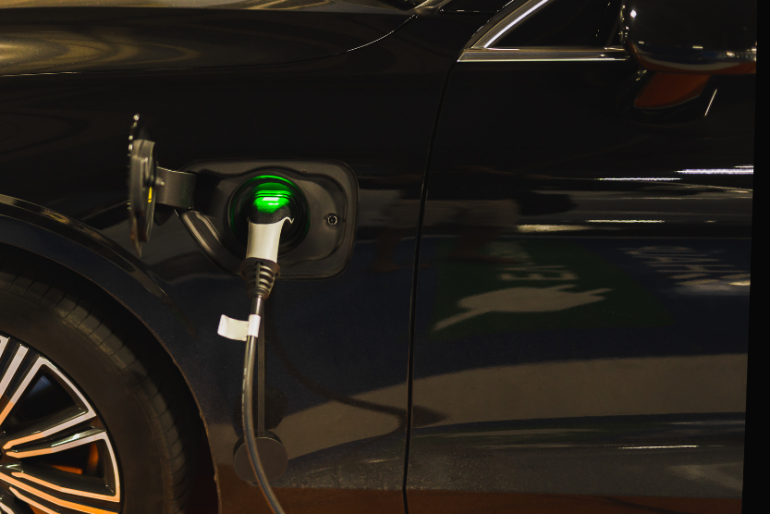
Level 1 Vs. Level 2 Vs. Level 3 Charging: Which Solution Best Tailors to Your Needs?

As Electrical Vehicles (EV) become more pervasive, understanding different types of charging options is crucial to ensure that EV owners can recharge their vehicles efficiently and conveniently. Whether you’re an EV owner looking for home charging or a business seeking for charging station investment, knowing the difference between Level 1, Level 2 and Level 3 charging solutions can help you make the best decision. Here’s an overview of each charging option and how they contribute to the convenience of life, followed by how Amor Energy Corporation can assist with both your residential and commercial EV charging needs.

Level 1 Charging: Accessibility at Your Fingertips

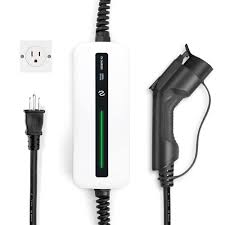
Level 1 charging is the most basic form of EV charging and uses a standard 120V outlet, which is the same kind of outlet we use everyday for household appliances.

Pros:

  • Convenience: Can basically charge anywhere
  • Low Cost: No extra equipment or installation cost
  • No Installation Required: Uses a standard 120V outlet, so no need for special equipment or installation

Cons:

  • Slow Charging Speed: Provide only 3~5 miles of range per hour of charging, which can take up to 24 hours to fully charge an EV with a larger battery.
  • Not ideal for Long-Distance Drivers: Inadequate for drivers who frequently need to recharge quickly or travel long distances.

Level 2 Charging: Fast and Efficient for Everyday Use

Level 2 charging uses a 240V outlet, the same as what you’d use for large appliances like a dryer or stove. This type of charging is significantly faster than Level 1 and is ideal for daily EV drivers who want to ensure their car is fully charged overnight to ensure the daily commute.

Pros:

  • Faster Charging Speed: Provides 20-60 miles of range per hour of charging, allowing most EVs to be fully charged in 4-8 hours
  • Convenient for Daily Drivers: Perfect for overnight home charging or quick top-ups during the day
  • Compatible with Most EVs: Works with a variety of EVs and is available for both home and commercial use

Cons:

  • Requires Installation: Needs a 240V outlet and may require an electrical panel upgrade, which increases installation costs


Level 3 Charging (DC Fast Charging): Power When You Need It the Most

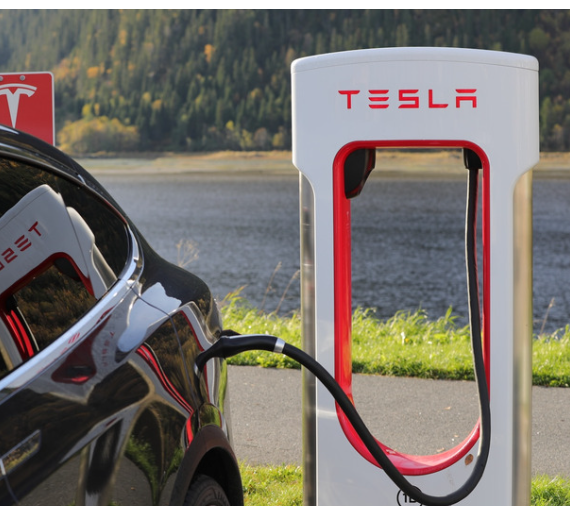
Level 3 Charging, also known as DC Fast Charging, is the fastest option available and is typically found in public charging stations, commercial locations, and along highways. This type of charging uses direct current (DC) instead of alternating current (AC), allowing it to charge an EV’s battery at an impressive rate.

Pros:

  • Incredibly Fast Charging: Can charge an EV to 80% in as little as 20-40 minutes, providing 100-200 miles of range in under an hour.
  • Idea for Long-Distance Travel: Perfect for drivers on long road trips or for commercial fleets needing quickly turnaround times.
  • Public Availability: Typically found along highways, in commercial areas, or at public.

Cons:

  • Expensive equipment and Installation: Installation costs can range from $20,000 to $50,000, making it impractical for home use.
  • Potential Harm on Batteries: Frequent use can accelerate battery degradation due to the high power involved.

Summary Table for comparing Level 1/2/3 Charging Solutions

Feature Level 1 Charging Level 2 Charging Level 3 (DC Fast Charging)
Charging Speed 3~5 miles of range/hour 20~60 miles of range/hour 100~200 miles in 20~40 minutes
Installation Cost None Moderate Very High
Target EV drivers Low-mileage drivers Daily drivers, home or business use Long-distance travel, commercial
Disadvantages Very Slow Charging Speed Requires Installation and Setup Expensive, potential harm to battery

Choosing the right EV charging solution – whether it’s Level 1, Level 2, or Level 3 – depends on your driving habits and needs. Each type of charging offers unique benefits that make life easier for both homeowners and businesses. With Amor Energy Corporation as your trusted installation partner, you can confidently embrace the future of electric mobility with a charging system that specifically tailors to your needs.

Best EV Chargers in North America for 2024: A Comprehensive Guide

With the continuous and rapid adoption of electric vehicle (EV) in North America, the need for reliable, efficient, and fast home EV chargers is more crucial than ever. There are numerous options of brands and models available on the market, thus, it can be overwhelming to choose the right charger that best suits the needs. In this blog, we will explore the most popular EV chargers available in North America, focusing on features like charging speed, smart technology, ease of use, and compatibility with EV models. Let’s dive into the best options to keep your EV fully charged and ready for the road hassle-free.

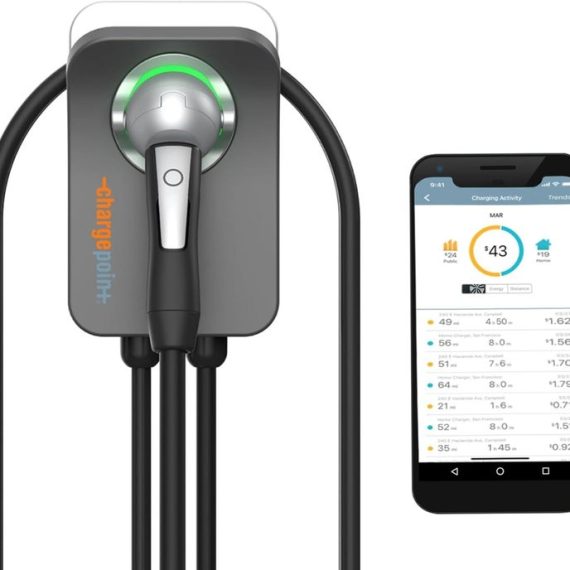
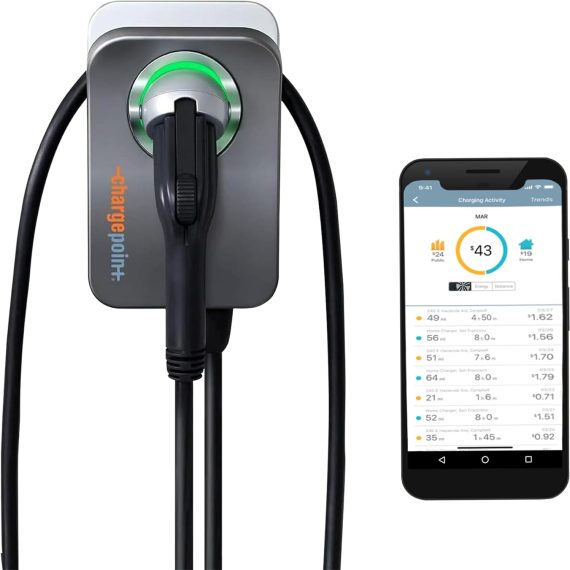
1.ChargePoint Home Flex 

Overview: ChargePoint is one of the most well-known names in EV charging field, and their Home Flex model offers unparalleled flexibility and smart features.

  • Charging Speed: The ChargePoint Home Flex can deliver up to 50 amps of power, making it one of the fastest home chargers on the market. It allows you to adjust the amperage from 16 to 50 amps based on your home’s electrical capacity.
  • Smart Features: This charger is equipped with Wi-Fi connectivity and can be controlled via the ChargePoint app, which lets you schedule charging, track energy usage, and even integrate with Alexa.
  • Installation: Suitable for both indoor and outdoor installation, it offers flexibility in setup.
  • Compatibility: Compatible with all EVs in North America, including Tesla (via an adapter).

Why It’s a Top Choice: The ChargePoint Home Flex is the go-to option for those who want a reliable, fast, and smart charger with an easy-to-use app.

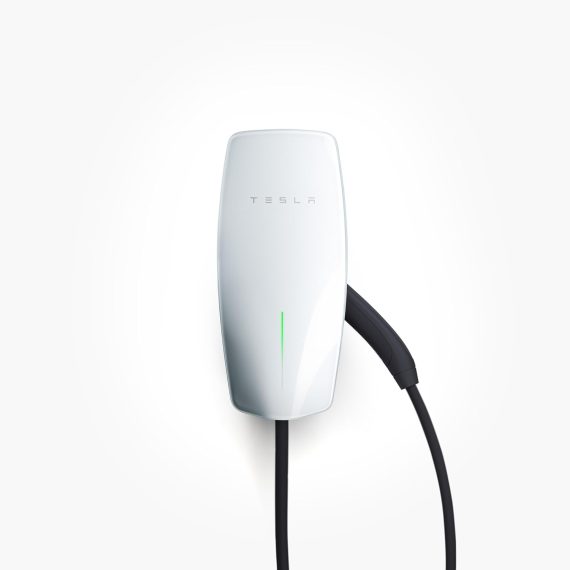
2.Tesla Wall Connector

Overview: Specifically designed for Tesla owners, the Tesla Wall Connector is a powerful and stylish solution for home charging.

  • Charging Speed: With a power output of up to 48 amps, the Tesla Wall Connector can add up to 44 miles of range per hour for Tesla vehicles.
  • Smart Features: While it lacks the advanced app-based features found in some other chargers, the Wall Connector integrates seamlessly with Tesla’s in-car systems and automatically adjusts the charging power for optimal efficiency.
  • Installation: Ideal for both indoor and outdoor setups, and it comes with a long 24-foot cable for flexibility in parking positions.
  • Compatibility: Specifically designed for Tesla vehicles, but can also charge other EVs with a J1772 adapter.

Why It’s a Top Choice: If you own a Tesla, the Wall Connector is the best choice for rapid and optimized home charging.

3.JuiceBox 40 Smart EV Charger

Overview: JuiceBox is known for its high-performance chargers that combine smart technology with fast charging.

  • Charging Speed: The JuiceBox 40 offers 40 amps of charging power, capable of adding about 30 miles of range per hour.
  • Smart Features: This charger is equipped with Wi-Fi, allowing you to control it remotely through the JuiceNet app. You can monitor charging sessions, set charging schedules, and track energy usage. It also works with Alexa and Google Home for voice control.
  • Installation: The charger is rugged and waterproof, making it suitable for outdoor installation. It also has a 25-foot cable for added convenience.
  • Compatibility: Compatible with all North American EVs and works with Tesla vehicles via an adapter.

Why It’s a Top Choice: With a blend of smart features and reliable performance, the JuiceBox 40 is perfect for tech-savvy EV owners who want more control over their charging.

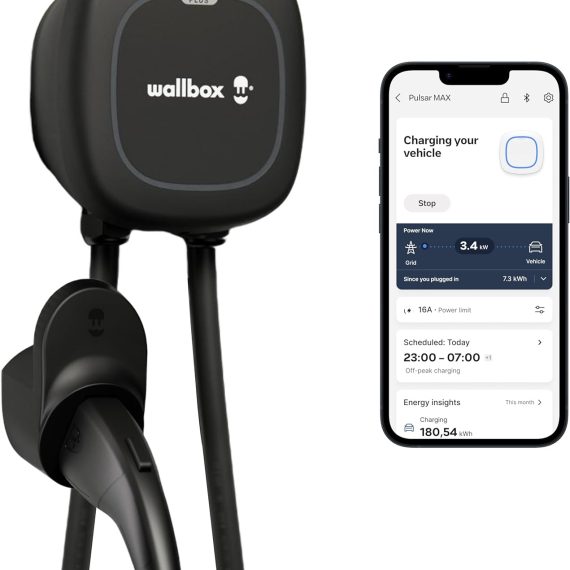
4.Wallbox Pulsar Plus

Overview: Wallbox Pulsar Plus is one of the most compact and powerful home chargers available, making it ideal for users who want a sleek design without compromising on performance.

  • Charging Speed: It offers up to 40 amps of power, allowing for rapid charging at home, adding up to 30 miles of range per hour.
  • Smart Features: The Pulsar Plus is equipped with Wi-Fi and Bluetooth, and users can manage their charging sessions through the myWallbox app, which offers real-time monitoring, scheduling, and notifications.
  • Installation: Suitable for both indoor and outdoor use, it comes with an integrated cable management system and a 25-foot cable.
  • Compatibility: Works with all major EV brands in North America, and can charge Tesla vehicles using an adapter.

Why It’s a Top Choice: Its small size, coupled with powerful performance and smart features, make the Wallbox Pulsar Plus a great option for homeowners with limited space.

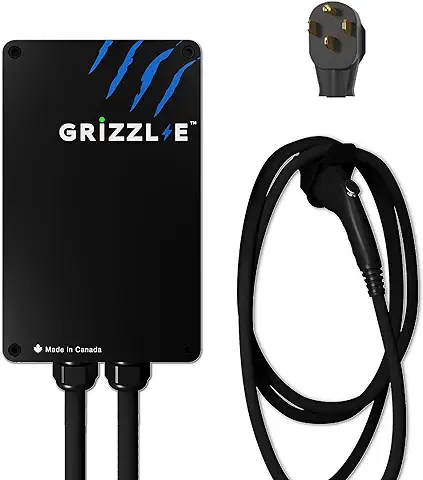
5.Grizzl-E Classic Level 2 Charger

Overview: The Grizzl-E Classic is a tough, affordable, and highly capable EV charger designed for those who value durability and performance over smart features.

  • Charging Speed: This charger can deliver up to 40 amps, providing a fast charging experience without the need for Wi-Fi or app connectivity.
  • Durability: Built to withstand harsh weather conditions, the Grizzl-E Classic is an ideal choice for outdoor installations in areas with extreme climates.
  • Installation: Easy to install and designed to be mounted indoors or outdoors, it comes with a 24-foot cable.
  • Compatibility: Compatible with all North American EVs, including Tesla (with an adapter).

Why It’s a Top Choice: If you’re looking for a budget-friendly, durable, and high-power charger without the extra smart features, the Grizzl-E Classic is a great pick.

Conclusion

Choosing the right EV charger depends on your specific needs, budget, and vehicle type. For example, if you’re a Tesla owner, the Tesla Wall Connector is obviously the ideal choice for its seamless integration. For those looking for flexibility, smart features, and the charging speed, the ChargePoint Home Flex or JuiceBox 40 are options to consider about.

With any of these top options, you can feel confident that your EV will always be charged with minimal worries and ready for your next adventure.