
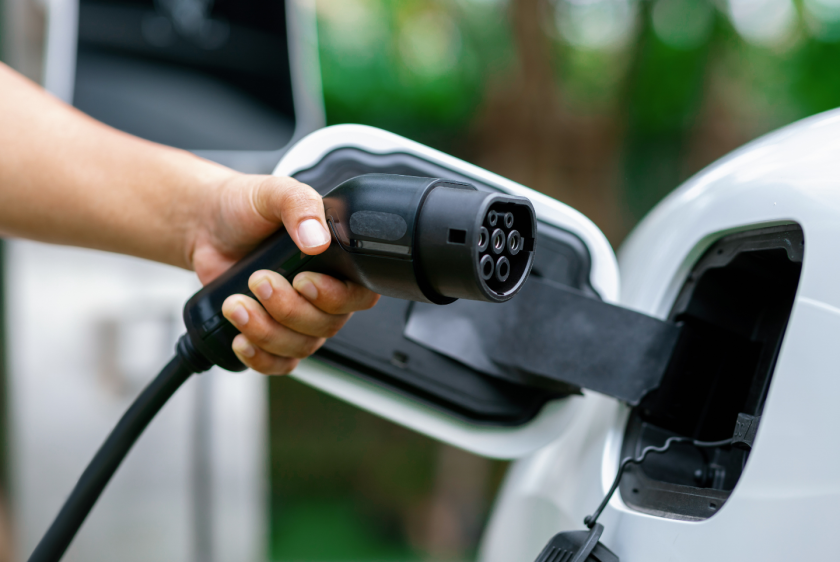
Electric vehicle drivers in Vancouver should be aware of an upcoming change to public charging costs. BC Hydro has announced new EV charging rates effective April 1, 2026, which will impact both Level 2 and DC fast charging across its network.
In this article, we break down the updated pricing and what it means for EV owners in British Columbia.
Updated BC Hydro Charging Rates (Effective April 1, 2026)
The new rates are as follows:
-
Level 2 Charging: $0.3083 per kWh
-
DC Fast Charging (25 kW and above): $0.3969 per kWh
-
Idle Fee: $0.40 per minute (no change)
According to BC Hydro, the average cost increase per session is estimated at:
-
Standard passenger vehicles: approximately $0.84 more per charge
-
Larger vehicles (e.g., pickup trucks): approximately $1.68 more per charge
What This Means for EV Owners
While the increase per charging session may appear modest, the long-term impact can become noticeable—particularly for drivers who:
-
Rely primarily on public charging stations
-
Use DC fast charging on a regular basis
-
Drive vehicles with larger battery capacities
Over time, these incremental increases can add up and influence overall EV ownership costs.
The Shift Toward Market-Based Charging
This adjustment reflects a broader trend toward market-based pricing for public EV charging infrastructure. As demand for electric vehicles continues to grow across British Columbia, pricing models are gradually evolving to reflect operational and infrastructure costs.
At the same time, continued investment in charging networks is expected to improve accessibility and reliability across the province.
Is Home EV Charging a Better Option?
For many EV owners in Vancouver, home charging remains the most cost-effective and convenient solution.
Installing a Level 2 home charger allows drivers to:
-
Charge overnight at lower electricity rates
-
Reduce reliance on public charging networks
-
Maintain consistent access to charging
-
Lower long-term operating costs
This is especially beneficial for homeowners, strata residents with approval, or businesses with dedicated parking facilities.
Planning Your Home EV Charging Setup
Before installing a home EV charger, several factors should be evaluated, including:
-
Electrical panel capacity (e.g., 100A vs 200A systems)
-
Distance between the panel and parking location
-
Load management requirements
-
Strata or property management approvals
A professional assessment ensures that your installation is safe, efficient, and compliant with local electrical standards.
Conclusion: Preparing for the Future of EV Charging
As EV adoption continues to rise in Vancouver, changes in public charging costs are expected to become more common. While the latest BC Hydro rate increase is relatively small, it highlights the importance of long-term charging strategies for EV owners.
For many drivers, investing in a home charging solution can provide greater convenience, predictability, and cost control over time.
Professional EV Charger Installation in Vancouver
At Amor Energy, we specialize in EV charger installation for residential and commercial properties across Vancouver, Burnaby, Richmond, and surrounding areas.
Our team provides end-to-end support, including:
-
Electrical capacity assessment
-
System design and recommendations
-
Professional installation
-
Ongoing support and maintenance
Contact us today for a free consultation and customized quote to find the most efficient charging solution for your property.
